
Emergency preparedness is about making sure we’re always ready to respond when the unexpected happens. Whether it’s a severe weather event, public health emergency, utility disruption, or other crisis, our goal is to continue to provide for our community.
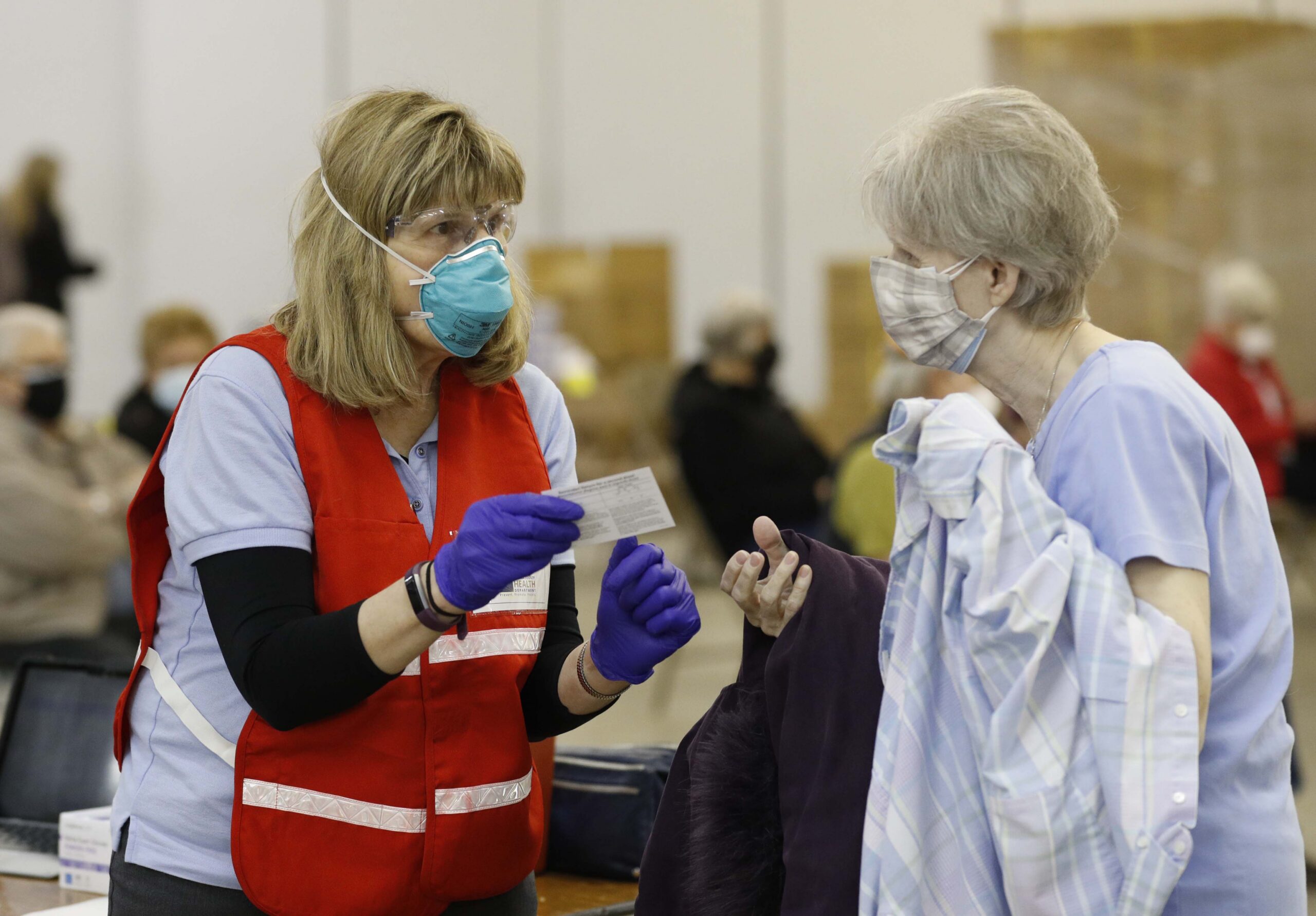
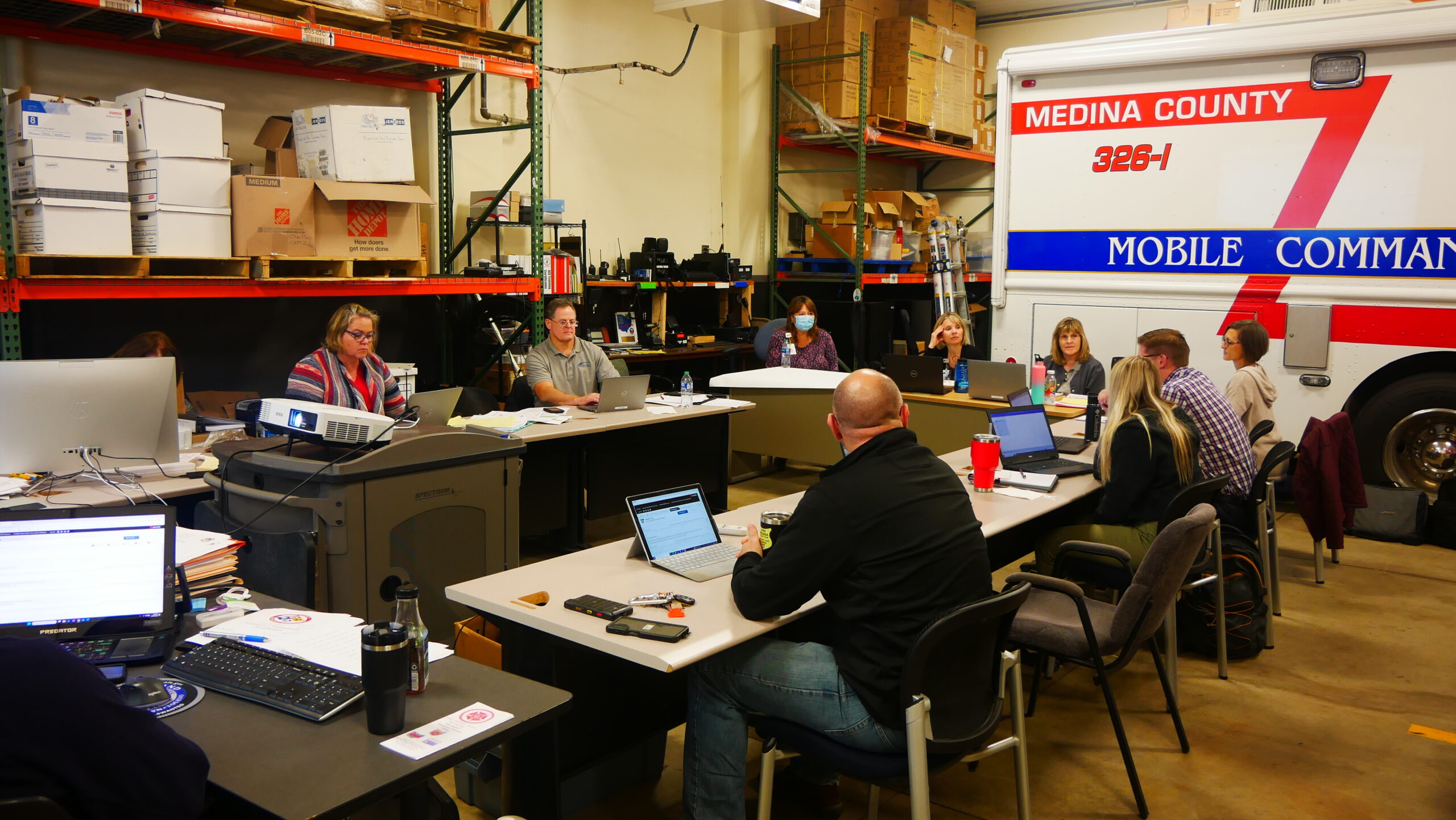
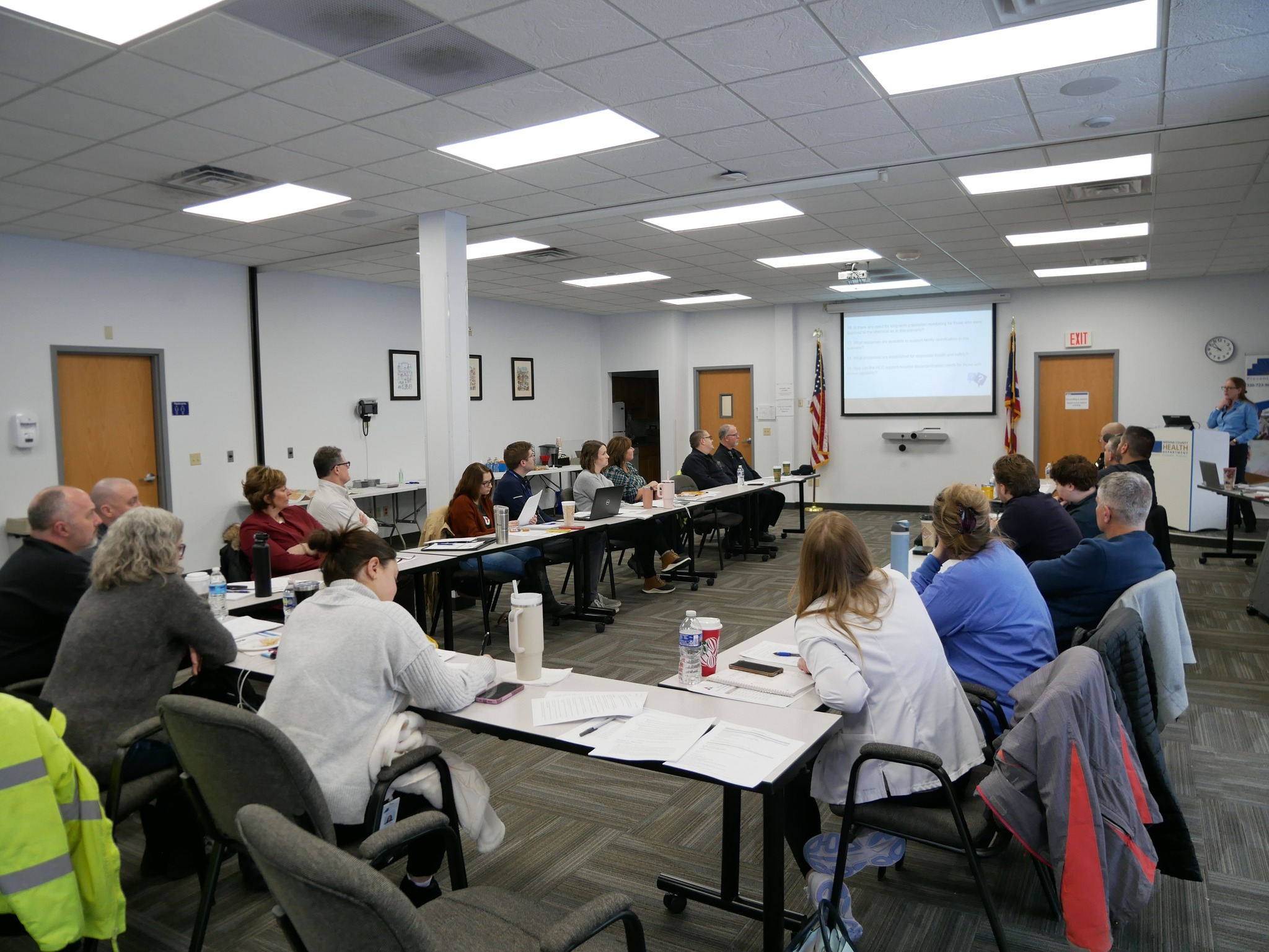
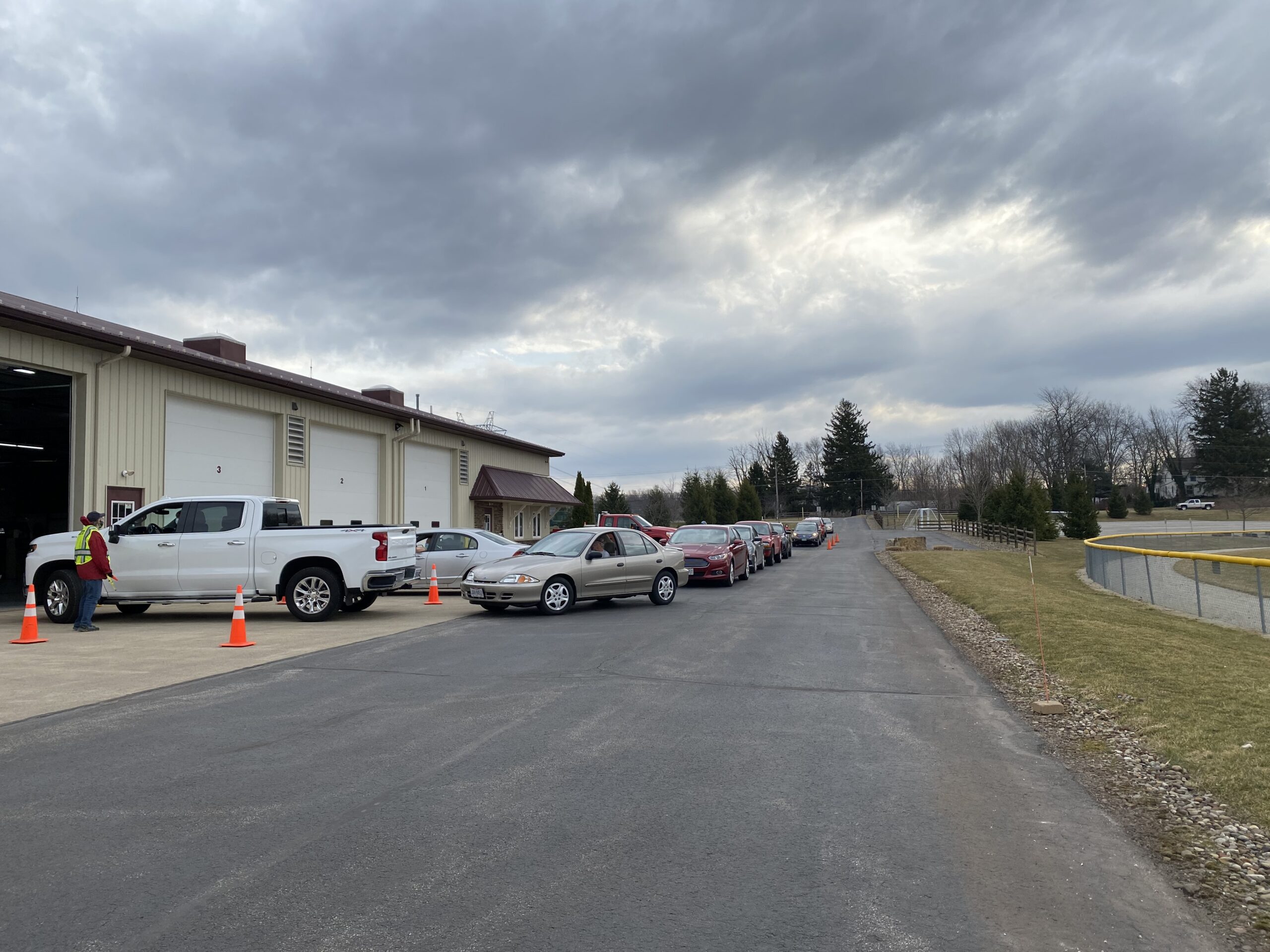
Preparedness is an ongoing process, not something that happens only during an emergency. Throughout the year, our Emergency Preparedness team reviews and updates response plans, evaluates potential risks, and works closely with local, regional, and state partners to strengthen our readiness. We regularly train with staff through tabletop discussions, hands-on drills, and full-scale exercises that allow us to test our plans, build confidence, and identify ways to improve.
Emergency preparedness is a shared responsibility and a continuous commitment. By planning ahead, training together, and learning from every exercise and real-world event, we are better prepared to respond quickly, recover effectively, and continue serving our community when it matters most.
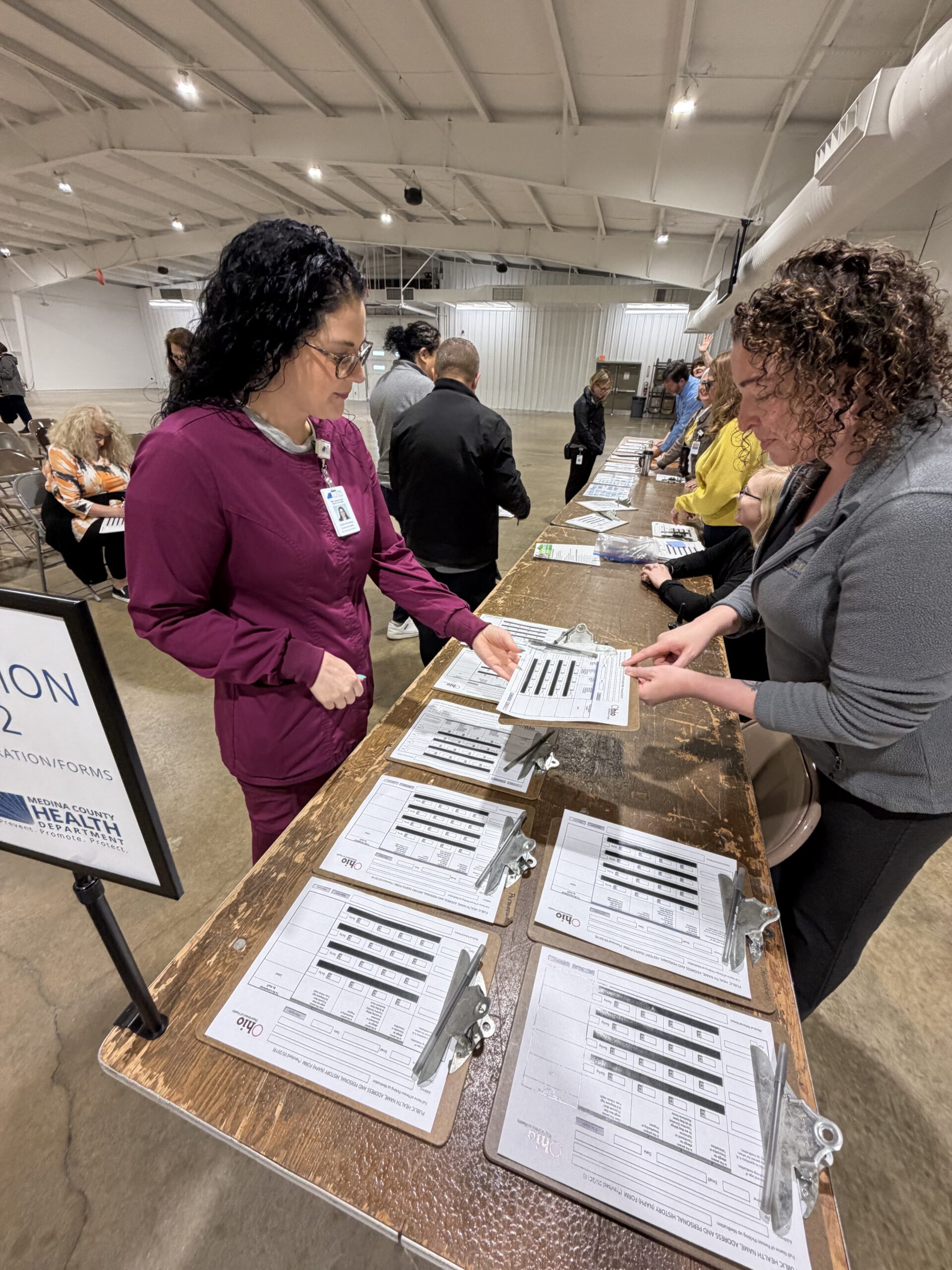
Your Family’s NAPH Form
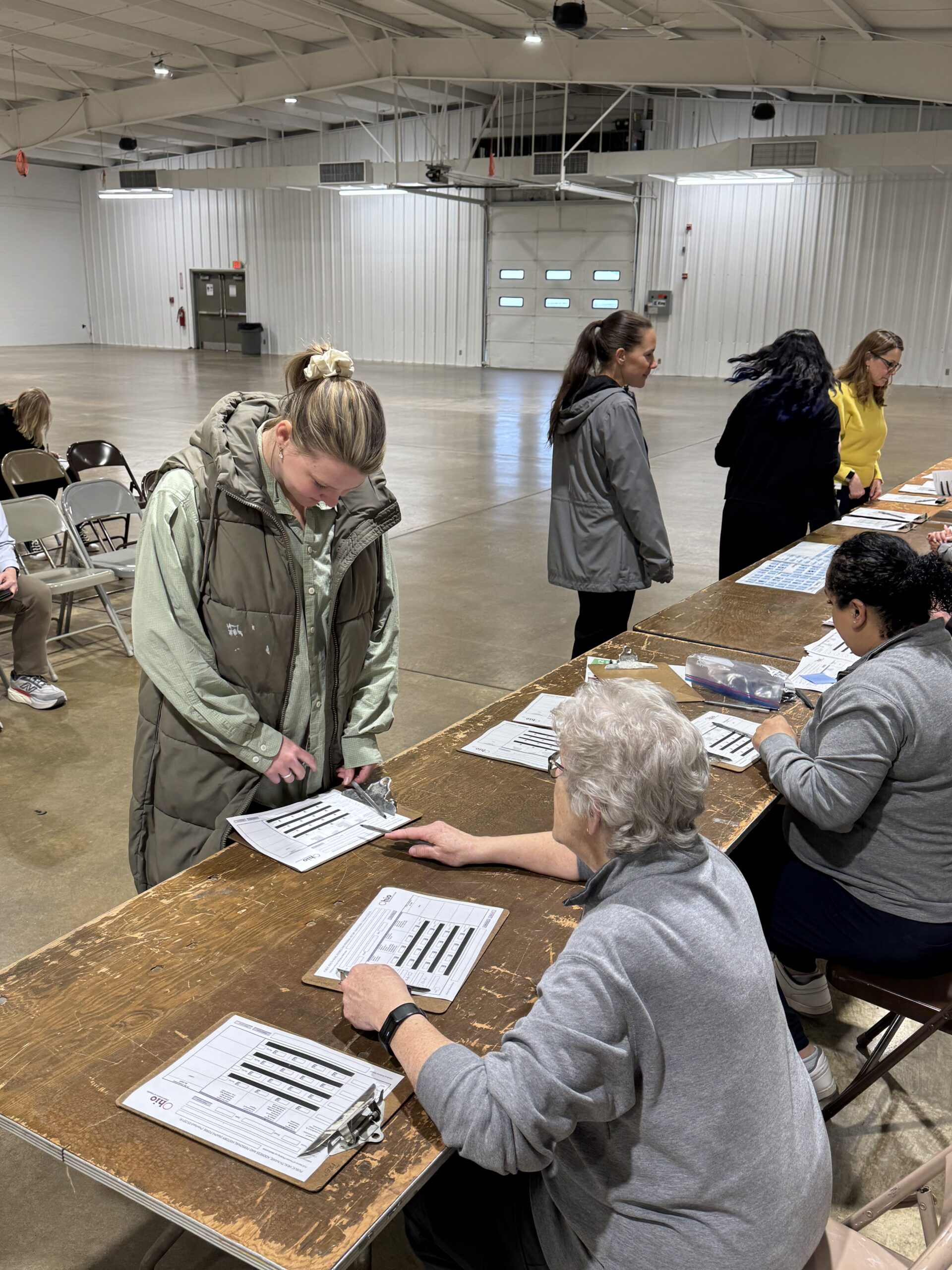
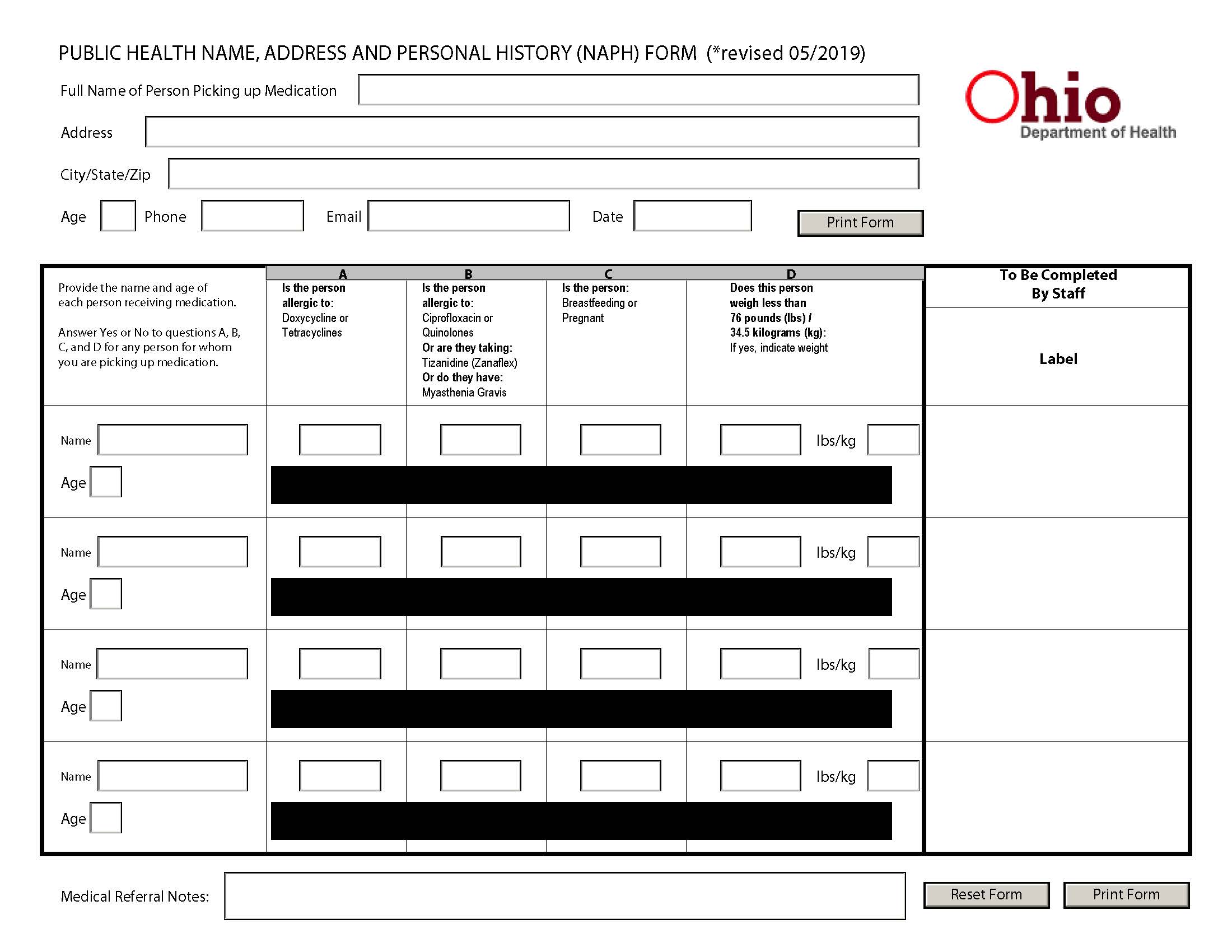 When an emergency happens, having important information in one place can save valuable time. A NAPH form (Name, Address, and Personal History) helps you organize key details about your household, including emergency contacts, medical information, medications, allergies, insurance information, and other essential records.
Completing this form before an emergency allows first responders, healthcare providers, and family members to quickly access important information when it matters most. It can also help your family communicate more effectively, reunite after an emergency, and make informed decisions during stressful situations.
Every household’s needs are different, but taking a few minutes to complete and regularly update an emergency preparedness form is a simple step that can improve your family’s readiness and provide greater peace of mind.