

Northeast Ohio experiences a variety of weather conditions and natural hazards throughout the year, from severe thunderstorms and tornadoes to winter storms, flooding, and extreme temperatures. Other emergencies, including power outages and public health events, can also impact daily life.
Knowing what to expect and how to prepare can help reduce risks and improve safety for you and your family.

When emergencies strike, public safety officials use timely and reliable systems to alert you. This page describes different warning alerts you can get and how to get them.
Be Informed – Medina County
- Medina County residents can sign up for Medina County Emergency Alerts to receive important emergency information and instructions by phone call, text message, and email. The free system helps keep residents informed during emergencies and other situations that may affect their safety.
- If you need to shelter in place for any reason such as a chemical spill, storm, or earthquake, follow recommendations from the Federal Emergency Management Agency (FEMA).
Visit ready.gov for more information and guidance on preparing for an emergency.
Additional Wireless Alerts:
National Weather Service,
National Center for Missing and Exploited Children
Integrated Public Alert and Warning System.
Emergency Alert System (EAS)
National Oceanic and Atmospheric Administration (NOAA) Weather Radio All Hazards (NWR)
Integrated Public Alert and Warning System (IPAWS)
The FEMA App
Preparedness Starts at Home
Ready has resources to help keep you safe from disasters like tornadoes, floods and other natural and man-made hazards. But are you prepared for everyday injuries that can happen at home?
Every year, millions of people seek medical attention after they’re injured at home, so it’s important to know what to do to keep yourself and your loved ones safe.
Here are some common causes of injuries in the home:
Taking the first steps
When an injury happens at home, it’s important to know what to do and have items on hand to help you understand how to react to injuries, stay safe, prevent further injury, and control pain in the injured individual.
Learn first aid:
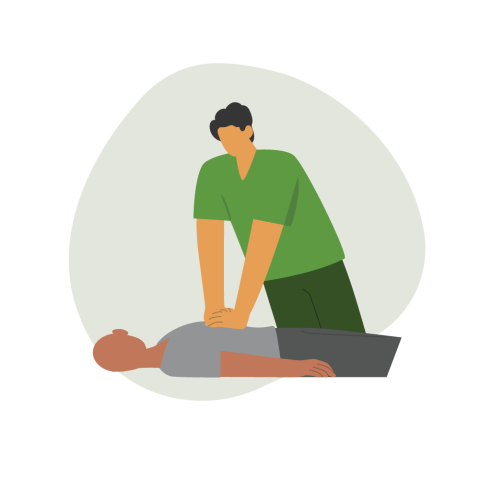
Minor and life-threatening emergencies can happen fast, and emergency responders aren’t always nearby. You may be able to save a life by taking simple actions immediately
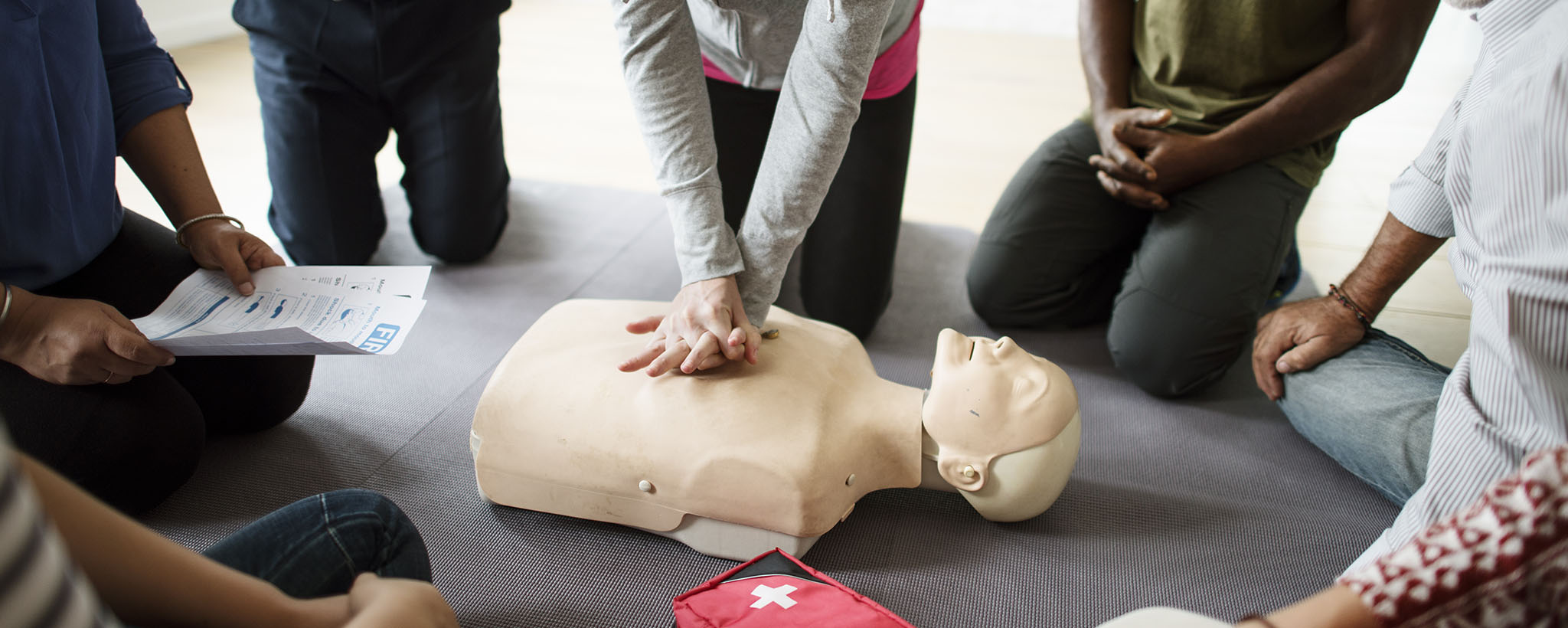
First aid is a skill, so it’s important to be properly trained in the techniques used to prevent further injury, relieve pain and maybe even save a life. Beyond knowing how to perform basic first aid, skills like Cardiopulmonary Resuscitation (CPR), automated external defibrillator (AED), and how to administer Naloxone are important.
You can take a first aid class through organizations like the American Red Cross, local government groups, or places like the YMCA. Some programs are more expensive than others, so make sure you read course information carefully.
Build a first aid kit
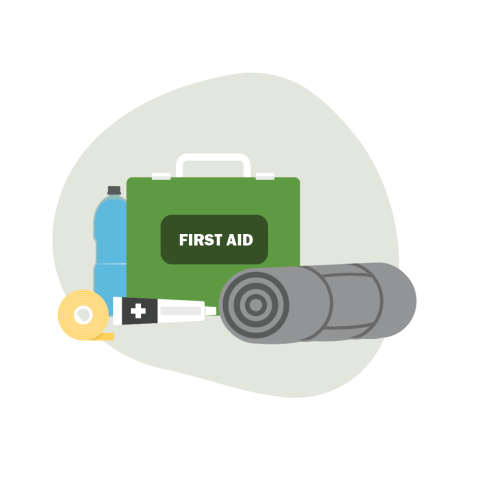
In addition to your disaster supplies kit, having a well-stocked first aid kit on hand can help you manage minor injuries or help keep an injured person safe until they can get professional medical help.
The American Red Cross suggests that a first-aid kit for a family of four include the following items:
- A first-aid guide
- Two 5 x 9 inches absorbent compress dressings
- 25 assorted size adhesive bandages
- A 10 yards x 1 inch roll of adhesive cloth tape
- Five antibiotic ointment packets
- Five individual antiseptic wipe packets
- Two packets of 81 milligram aspirin
- An emergency blanket
- A breathing barrier with a one-way valve
- An instant cold compress
- Two pairs of large sized nonlatex gloves
- Two hydrocortisone ointment packets
- One 3-inch gauze roll (roller) bandage
- A 4-inch-wide roller bandage
- Five 3 x 3-inch sterile gauze pads
- Five 4 by 4-inch sterile gauze pads
- A thermometer (non-mercury/non-glass)
- Two triangular bandages
- Tweezers
Talk to your doctor or pharmacist about other items to keep on hand, including Naloxone.
You should customize your kit to fit your family’s needs. You or a family member might have severe allergies and require antihistamines or an epinephrine injector. If you or a family member is living with diabetes, include a juice box, glucose tablets and gels, and an emergency glucagon injection kit. Chewable, baby aspirin might help someone who has coronary artery disease, provided the person is not allergic to aspirin.
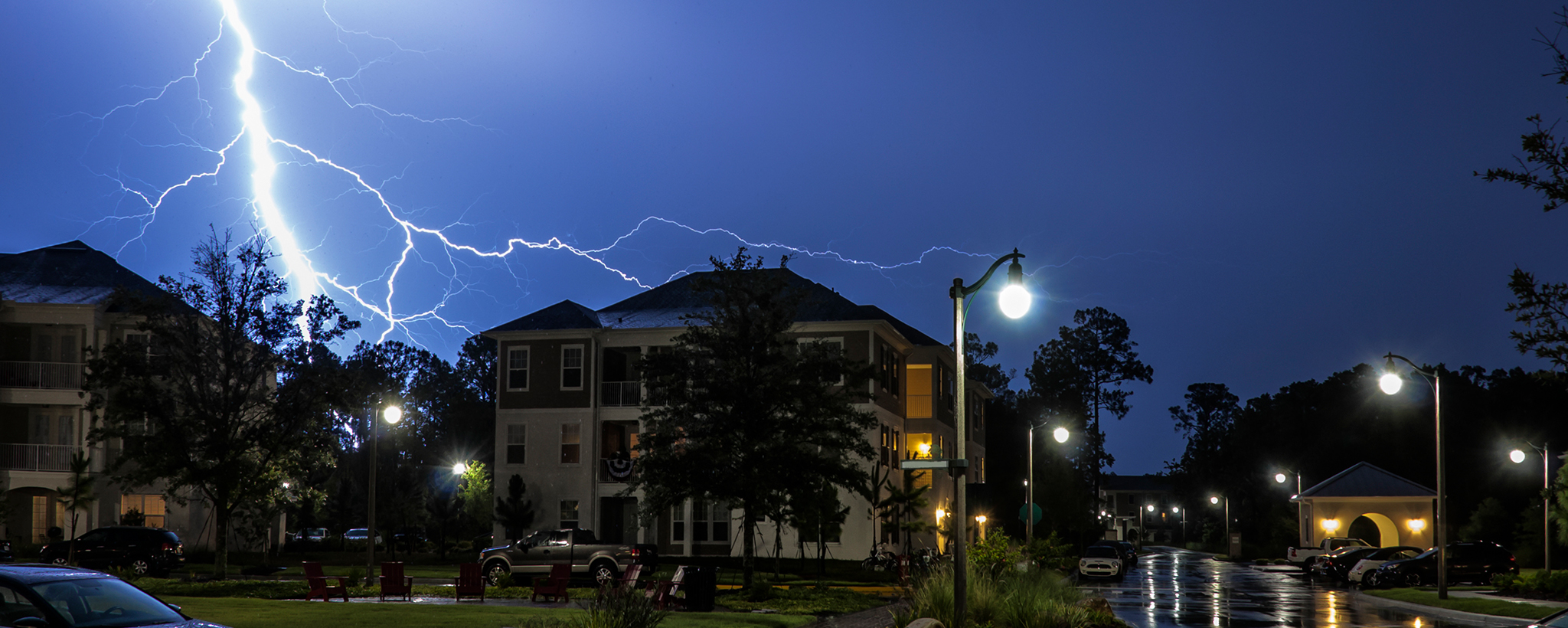
Thunderstorms are common and can be dangerous. They can bring intense wind, flash flooding, hail and dangerous lightning.
Prepare for Thunderstorms & Lightning
Know Your Risk
Know your area’s risk for thunderstorms. In most places they can occur year-round and at any hour. Sign up for your community’s warning system. The Emergency Alert System (EAS) and National Oceanic and Atmospheric Administration (NOAA) Weather Radio also provide emergency alerts.
Strengthen Your Home
Cut down or trim trees that may be in danger of falling on your home. Consider buying surge protectors, lightning rods or a lightning protection system to protect your home, appliances and electronic devices.
Make an Emergency Plan
Create an emergency plan so that you and your family know what to do, where to go and what you will need to protect yourselves from the effects of a thunderstorm. Identify sturdy buildings close to where you live, work, study and play.
Stay Safe During Thunderstorms & Lightning
If you are under a thunderstorm warning:
- When thunder roars, go indoors! Move from outdoors into a building or car with a roof.
- Pay attention to alerts and warnings.
- Avoid using electronic devices connected to an electrical outlet.
- Avoid running water.
- Turn Around. Don’t Drown! Do not drive through flooded roadways. Just six inches of fast-moving water can knock you down, and one foot of moving water can sweep your vehicle away.
Stay Safe After Thunderstorms & Lightning
- Pay attention to authorities and weather forecasts for information on whether it is safe to go outside and instructions regarding potential flash flooding.
- Watch for fallen power lines and trees. Report them immediately.
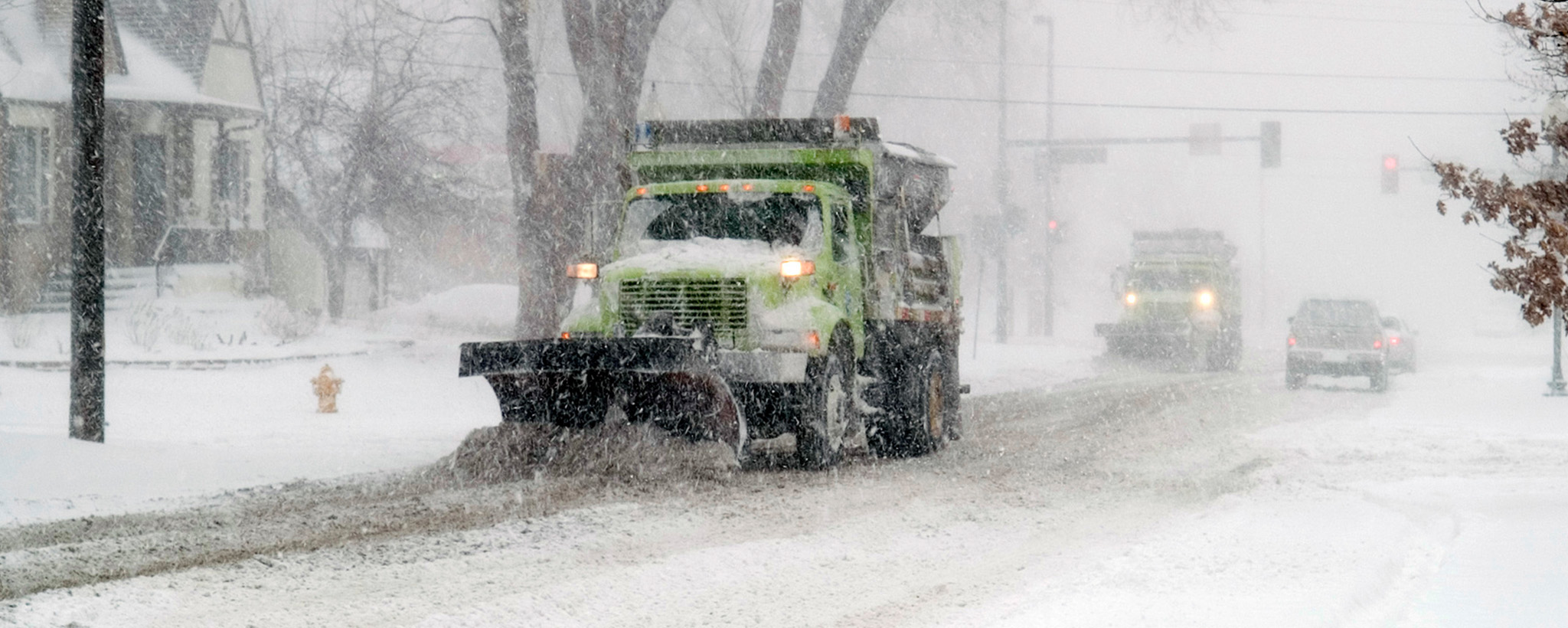
Winter storms create a higher risk of car accidents, hypothermia, frostbite, carbon monoxide poisoning, and heart attacks from overexertion. Winter storms including blizzards can bring extreme cold, freezing rain, snow, ice and high winds.
How to Protect Yourself from Winter Weather
IF YOU ARE UNDER A WINTER STORM WARNING, FIND SHELTER RIGHT AWAY
Preparing for Winter Weather
Prepare your home to keep out the cold with insulation, caulking and weather stripping. Learn how to keep pipes from freezing. Install and test smoke alarms and carbon monoxide detectors with battery backups. Gather supplies in case you need to stay home for several days without power. Keep in mind each person’s specific needs, including medication. Remember the needs of your pets. Have extra batteries for radios and flashlights. If you are unable to afford your heating costs, weatherization or energy-related home repairs, contact the Low Income Home Energy Assistance Program (LIHEAP) for help.
In Case of Emergency
Be prepared for winter weather at home, at work and in your car. Create an emergency supply kit for your car. Include jumper cables, sand, a flashlight, warm clothes, blankets, bottled water and non-perishable snacks. Keep a full tank of gas.
Stay Safe During Winter Weather
Avoid carbon monoxide poisoning. Only use generators and grills outdoors and away from windows and never heat your home with a gas stovetop or oven. Using an oven or stovetop can also increase the risk of fires, burns and could damage the appliance.
- Stay off roads if at all possible. If trapped in your car, then stay inside.
- Limit your time outside. If you need to go outside, then wear layers of warm clothing. Watch for signs of frostbite and hypothermia.
- Reduce the risk of a heart attack by avoiding overexertion when shoveling snow and walking in the snow.
Learn the signs of, and basic treatments for, frostbite and hypothermia.
Frostbite causes loss of feeling and color around the face, fingers and toes.
- Signs: Numbness, white or grayish-yellow skin, firm or waxy skin
- Actions: Go to a warm room. Soak in warm water. Use body heat to warm. Do not massage or use a heating pad.
Hypothermia is an unusually low body temperature. A temperature below 95 degrees is an emergency.
- Signs: Shivering, exhaustion, confusion, fumbling hands, memory loss, slurred speech or drowsiness.
- Actions: Go to a warm room. Warm the center of the body first—chest, neck, head, and groin. Keep dry and wrapped up in warm blankets, including the head and neck.
Generator Safety
Generators can be helpful when the power goes out. It is important to know how use them safely to prevent carbon monoxide (CO) poisoning and other hazards.
- Generators and fuel should always be used outdoors and at least 20 feet away from windows, doors and attached garages.
- Install working carbon monoxide detectors on every level of your home. Carbon monoxide is a colorless, odorless gas that can kill you, your family and pets.
- Keep the generator dry and protected from rain or flooding. Touching a wet generator or devices connected to one can cause electrical shock.
- Always connect the generator to appliances with heavy-duty extension cords.
- Let the generator cool before refueling. Fuel spilled on hot engine parts can ignite.
- Follow manufacturer’s instructions carefully.
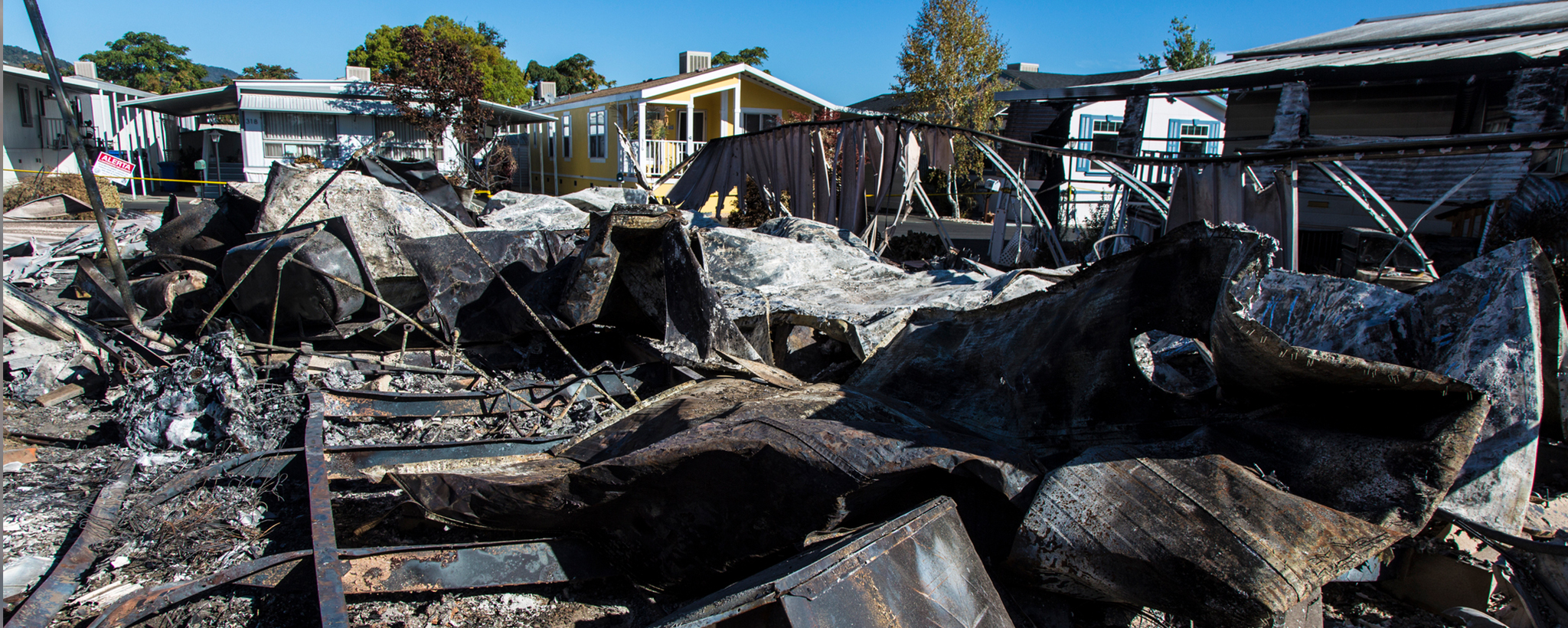
A fire can become life-threatening in just two minutes. A residence can be engulfed in flames in five minutes.
Learn About Fires
- Fire is FAST! In less than 30 seconds, a small flame can become a major fire. It only takes minutes for thick black smoke to fill a house or for it to be engulfed in flames.
- Fire is HOT! Heat is more threatening than flames. Room temperatures in a fire can be 100 degrees at floor level and rise to 600 degrees at eye level. Inhaling super-hot air can scorch your lungs and melt clothes to your skin.
- Fire is DARK! Fire starts bright but quickly produces black smoke and complete darkness.
- Fire is DEADLY! Smoke and toxic gases kill more people than flames. Fire produces poisonous gases that can make you disoriented and drowsy.
Smoke Alarms
A working smoke alarm significantly increases your chances of surviving a deadly home fire.
- Replace batteries twice a year, unless using 10-year lithium batteries.
- Install smoke alarms on every level of your home, including the basement.
- Replace the entire smoke alarm every 10 years or according to the manufacturer’s instructions.
- Never disable a smoke alarm while cooking.
- Audible alarms are available for people with visual impairments, and alarms with vibrating pads or flashing lights are available for people with hearing impairments.
Before a Fire
Make digital copies of valuable documents and records, such as birth certificates. If you are insured, contact your insurance company for instructions on protecting your property, conducting an inventory, and contacting fire-damage restoration companies.
Create and Practice a Fire Escape Plan
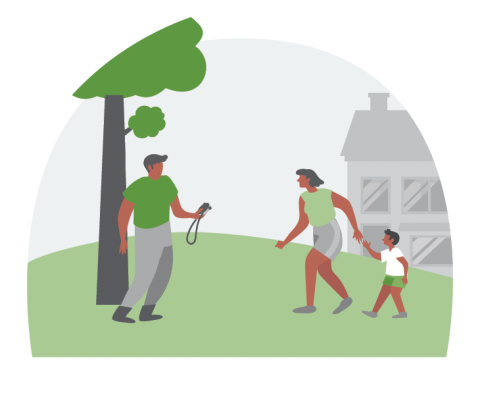 Every second counts during a fire. Escape plans help you get out of your home quickly. Practice your home fire escape plan twice each year.
- Find two ways to get out of each room in case the primary way is blocked by fire or smoke.
- Make sure windows are not stuck, screens can be removed quickly, and security bars can be properly opened.
- Practice feeling your way out of the house in the dark or with your eyes closed.
- Teach children not to hide from firefighters.
- If you use a walker or wheelchair, check all exits to be sure you can get through the doorways.
Fire Safety Tips
- Sleep with your bedroom door closed.
- Keep a fire extinguisher in your kitchen. Contact your local fire department for help with proper use and maintenance.
- Consider installing an automatic fire sprinkler system in your home.
During a Fire
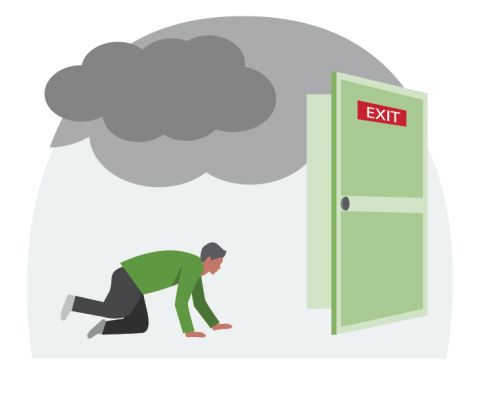
- Drop to the floor and crawl low, under the smoke, toward your exit. Heavy smoke and poisonous gases collect first along the ceiling.
- Before opening a door, feel the doorknob and door. If either is hot or smoke is coming around the door, keep it closed and use your second way out.
- Open doors slowly and be ready to shut them quickly if heavy smoke or fire is present.
- If you can’t reach someone needing assistance, leave the home and call 9-1-1 or the fire department. Tell the emergency operator where the person is located.
- If pets are trapped inside, tell firefighters right away.
- If you can’t get out, close the door and cover vents and cracks around doors with cloth or tape to keep smoke out. Call 9-1-1 or your fire department, tell them where you are, and signal for help from a window with a light-colored cloth or flashlight.
- If your clothes catch fire, stop, drop and roll. Stop immediately, drop to the ground, cover your face with your hands, and roll until the fire is out. If needed, smother the flames with a blanket or towel. Use cool water to treat the burn for three to five minutes, cover it with a clean, dry cloth, and get medical help right away.
After a Fire
- Contact your local disaster relief service, such as the Red Cross, if you need temporary housing, food, or medicines.
- Check with the fire department to make sure your residence is safe to enter.
- Do not attempt to reconnect utilities yourself. The fire department should make sure utilities are safe to use or disconnected before leaving.
- Inventory damaged property and items. Do not throw away damaged goods until after completing your inventory.
- Save receipts for expenses related to the fire. Your insurance company may need them to verify losses.
- Notify your mortgage company of the fire.
Prevent Home Fires
Home fires can often be prevented. The following are simple steps to help prevent a tragedy.
Cooking
- Stay in the kitchen when frying, grilling, or broiling food. Turn off the stove if you leave, even for a short time.
- Wear short, close-fitting, or tightly rolled sleeves when cooking.
- Position barbecue grills at least 10 feet away from siding and deck railings and away from eaves and overhanging branches.
- Keep a fire extinguisher available.
Electrical and Appliance Safety
- Replace worn, old, or damaged appliance cords immediately. Do not run cords under rugs or furniture.
- If an appliance has a three-prong plug, use it only in a three-slot outlet. Never force it into a two-slot outlet or extension cord.
- Shut off and professionally replace light switches that are hot to the touch or lights that flicker.
Holiday Safety
- Turn off holiday lights at night or when you leave the house.
- Replace lights with worn or broken cords or loose bulb connections.
- Keep candles at least 12 inches from flammable materials or use flameless candles.
- Water your Christmas tree daily and do not let it dry out.
- Keep your tree at least three feet away from heat sources, such as fireplaces, radiators, candles, heat vents, or lights, and do not block an exit.
- Do not overload extension cords or outlets.
Fireplaces and Woodstoves
- Inspect and clean woodstove pipes and chimneys annually and check monthly for damage or obstructions.
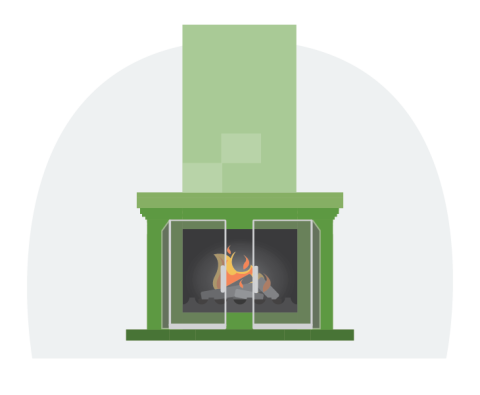
- Use a fireplace screen heavy enough to stop rolling logs and large enough to cover the entire opening and catch sparks.
- Make sure the fire is completely out before leaving the house or going to bed.
Portable Space Heaters
- Keep combustible objects at least three feet away from portable heating devices.
- Only buy heaters evaluated by a nationally recognized laboratory, such as Underwriters Laboratories (UL).
- Make sure the heater has a thermostat control and automatically shuts off if it falls over.
- Only use crystal clear K-1 kerosene in kerosene heaters. Never overfill them. Use them in a well-ventilated room away from curtains and other flammable items.
Keeping Children Safe
- Teach children that fire is a tool, not a toy.
- Store matches and lighters out of children’s reach and sight, preferably in a locked cabinet.
- Never leave children unattended near operating stoves or burning candles, even for a short time.
More Fire Prevention Tips
- Never use a stove or oven to heat your home. This can increase the risk of fires and burns and may damage the appliance. Gas stoves can also create dangerous levels of carbon monoxide.
- Keep combustible and flammable liquids away from heat sources.
- Portable generators should NEVER be used indoors. Refuel them only outdoors and in well-ventilated areas.
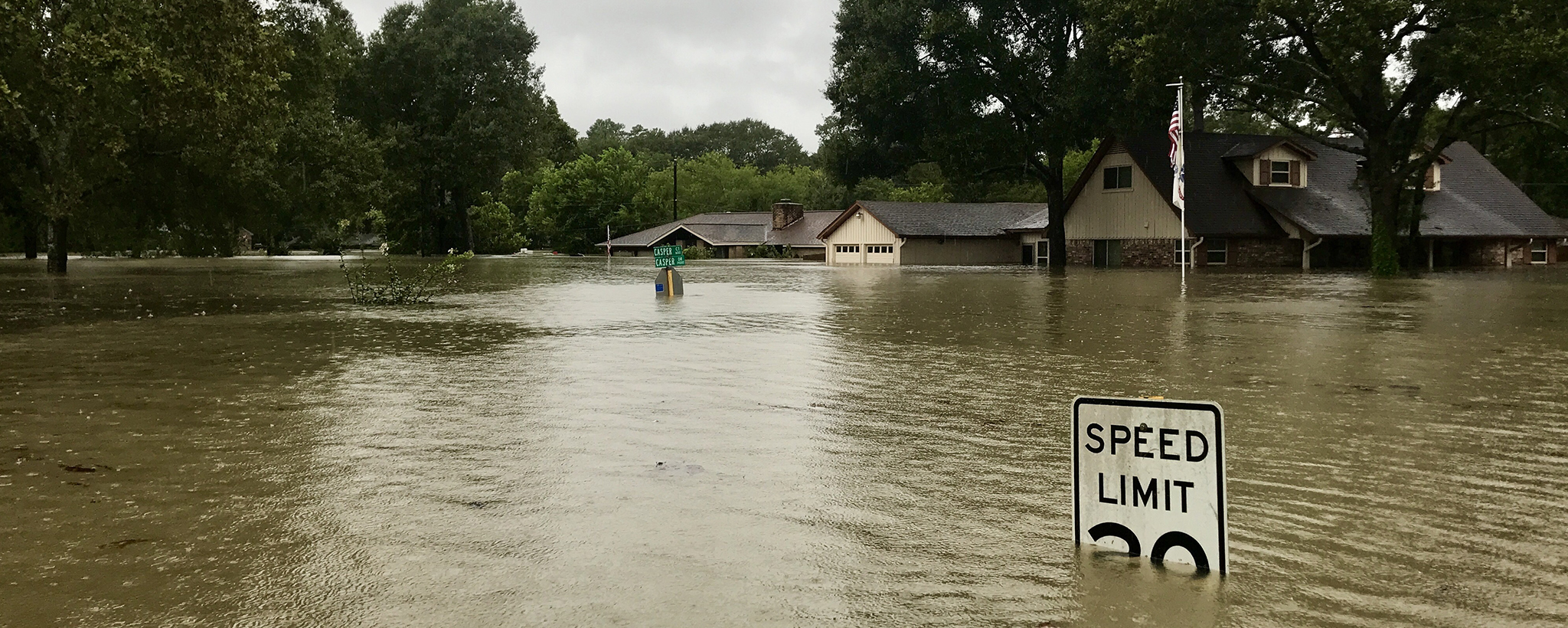
Flooding happens when water covers normally dry land and is the most common disaster in the U.S. Floods can be caused by heavy rain, snow, coastal storms, storm surges, or overflowing dams and waterways. They can develop slowly or happen suddenly as flash floods, causing injuries, deaths, power outages, transportation problems, property damage, and landslides.
If you are under a flood warning
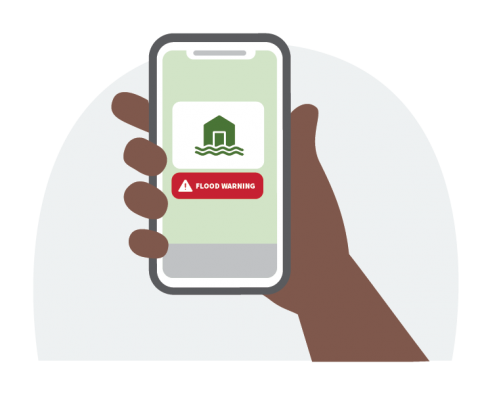
- Find safe shelter right away.
- Do not walk, swim or drive through flood waters. Turn Around, Don’t Drown!
- Remember, just six inches of moving water can knock you down, and one foot of moving water can sweep your vehicle away.
- Stay off bridges over fast-moving water.
- Depending on the type of flooding:
- Evacuate if told to do so.
- Move to higher ground or a higher floor.
- Stay where you are.
Before a Flood

- Know your risk for floods, visit FEMA’s Flood Map Service Center to know types of flood risks in your area. However, remember that flooding doesn’t follow lines on a map.
- Where it rains it can flood. Sign up for Medina County Emergency Alerts. The Emergency Alert System (EAS) and National Oceanic and Atmospheric Administration (NOAA)
- Weather Radio also provide emergency alerts. The National Risk Index
- Purchase flood insurance or renew a flood insurance policy. Homeowner’s insurance policies do not cover flooding. It typically takes up to 30 days for a policy to go into effect, so the time to buy is well before a disaster. Get flood coverage under the National Flood Insurance Program (NFIP).
- Preparing for a Flood – Make a plan for your household, including your pets so that you and your family know what to do, where to go and what you will need to protect yourselves from flooding.
- Learn and practice evacuation routes, shelter plans and flash flood response.
- Gather supplies, including non-perishable foods, cleaning supplies and water for several days, in case you must leave immediately or if services are cut off in your area.
- In case of emergency, keep documents in a waterproof container.
- Create password-protected digital copies. Protect your property.
- Move valuables to higher levels.
- Declutter drains and gutters.
- Install check valves. Consider a sump pump with a battery.
During a Flood
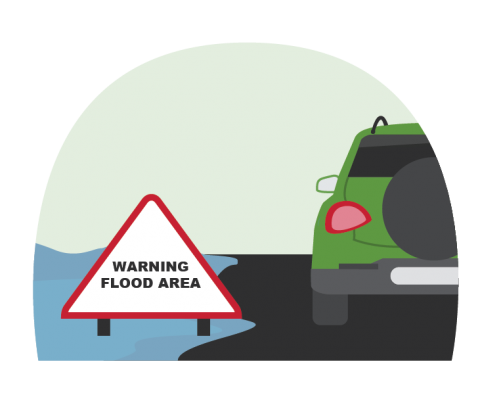
- Evacuate immediately, if told to do so. Never drive around barricades. Local responders use them to safely direct traffic out of flooded areas.
- Contact your healthcare provider if you are sick and need medical attention. Wait for further care instructions and shelter in place, if possible. If you are experiencing a medical emergency, call 9-1-1.
- Listen to EAS, NOAA Weather Radio or local alerting systems for current emergency information and instructions regarding flooding.
- Do not walk, swim or drive through flood waters. Turn Around. Don’t Drown!
- Stay off bridges over fast-moving water. Fast-moving water can wash bridges away without warning.
- Stay inside your car if it is trapped in rapidly moving water. Get on the roof if water is rising inside the car.
After a Flood
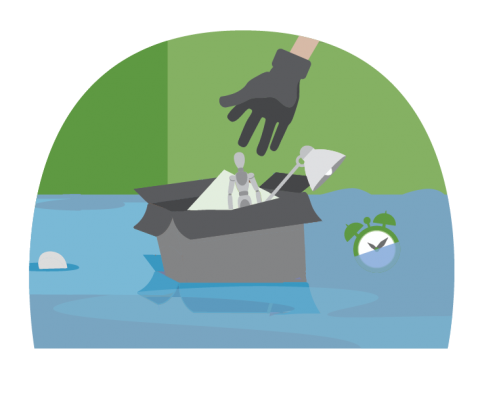
- Pay attention to authorities for information and instructions. Return home only when authorities say it is safe.
- Avoid driving except in emergencies.
- Wear heavy work gloves, protective clothing and boots during cleanup and use appropriate face coverings or masks if cleaning mold or other debris.
- People with asthma and other lung conditions and/or immune suppression should not enter buildings with indoor water leaks or mold growth that can be seen or smelled. Children should not take part in disaster cleanup work.
- Be aware that snakes and other animals may be in your house.
- Be aware of the risk of electrocution. Do not touch electrical equipment if it is wet or if you are standing in water. Turn off the electricity to prevent electric shock if it is safe to do so.
- Avoid wading in floodwater, which can be contaminated and contain dangerous debris. Underground or downed power lines can electrically charge the water.
- Use a generator or other gasoline-powered machinery ONLY outdoors and away from windows.
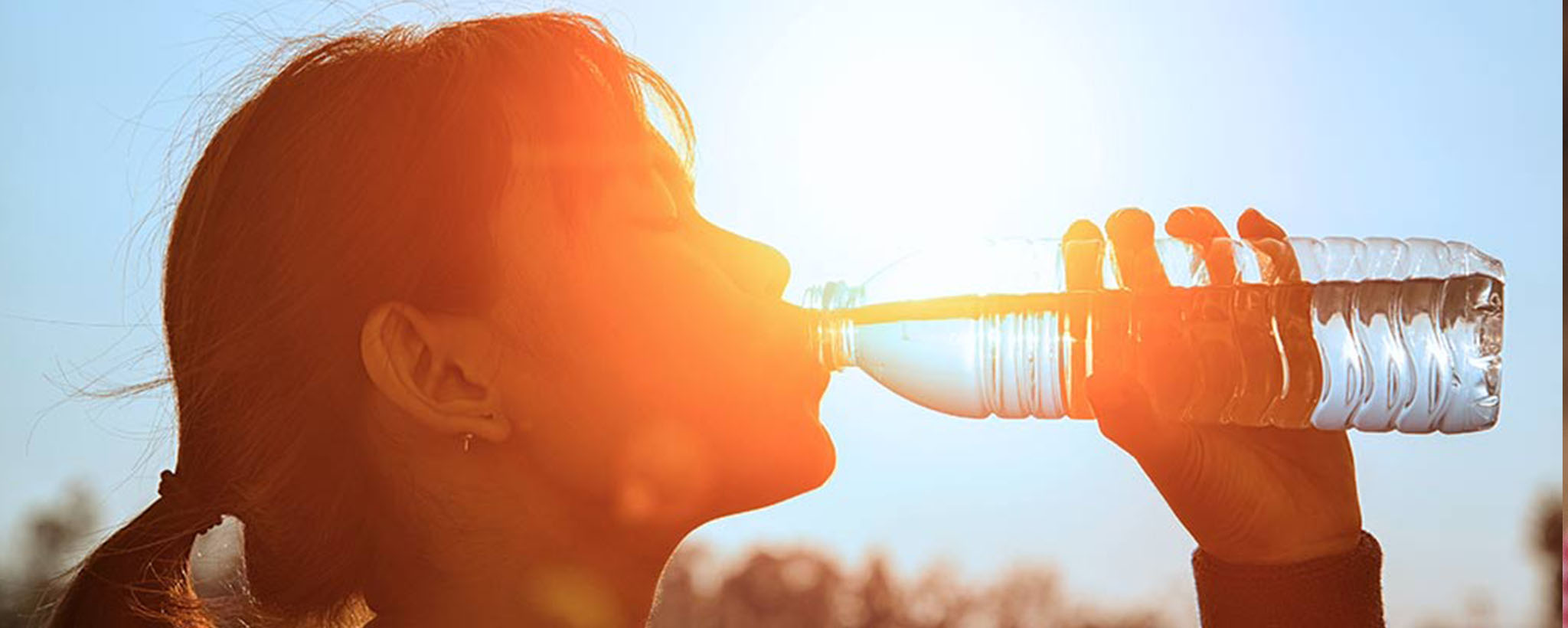
Extreme heat is a period of high heat and humidity with temperatures above 90 degrees for at least two to three days. In extreme heat your body works extra hard to maintain a normal temperature, which can lead to death. Extreme heat is responsible for the highest number of annual deaths among all weather-related hazards.

Older adults, children and people with certain illnesses and chronic conditions are at greater risk from extreme heat.

Before Extreme Heat
- Learn to recognize the signs of heat illnesses.
- Do not rely on a fan as your primary cooling device. Fans create air flow and a false sense of comfort, but do not reduce body temperature or prevent heat-related illnesses.
- Identify places in your community where you can go to get cool such as libraries and shopping malls or contact your local health department to find cooling options in your area.
- Cover windows with drapes or shades.
- Weather-strip doors and windows.
- Use window reflectors specifically designed to reflect heat back outside.
- Add insulation to keep the heat out.
- Use a powered attic ventilator or attic fan to regulate the attic temperature by removing hot air.
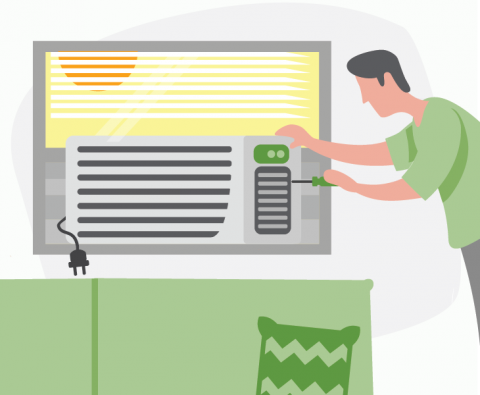
- Install window air conditioners and insulate around them.
- If you are unable to afford your cooling costs, weatherization or energy-related home repairs, contact the Low Income Home Energy Assistance Program (LIHEAP) for help.
During Extreme Heat
- Never leave people or pets in a closed car on a warm day.
- If air conditioning is not available in your home find a cooling center.
- Take cool showers or baths.
- Wear loose, lightweight, light-colored clothing.
- Use your oven less to help reduce the temperature in your home.
- If you’re outside, find shade. Wear a hat wide enough to protect your face.
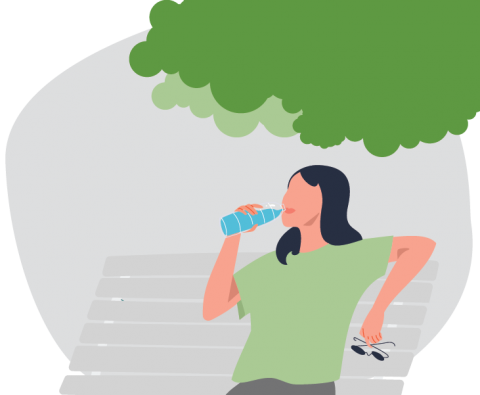
- Drink plenty of fluids to stay hydrated.
- Avoid high-energy activities or outdoor work during midday heat if possible.
- Check on family members, older adults and neighbors.
- Watch for heat cramps, heat exhaustion and heat stroke.
- Consider pet safety. If your pets are outside make sure they have plenty of cool water and access to comfortable shade. Asphalt and dark pavement can be very hot to your pet’s feet.
- Heat waves may cause you to lose power. Visit Power Outages to learn how to stay safe.
Heat-Related Illnesses
Know the signs of heat-related illnesses and ways to respond. If you are sick and need medical attention, contact your healthcare provider for advice and shelter in place if you can. If you are experiencing a medical emergency call 9-1-1.
Get more detailed information about heat-related illnesses from the CDC and National Weather Service.
HEAT CRAMPS
- Signs: Muscle pains or spasms in the stomach, arms or legs
HEAT STROKE
- Signs:
- Extremely high body temperature (above 103 degrees F)
- Red, hot and dry skin with no sweat
- Rapid, strong pulse
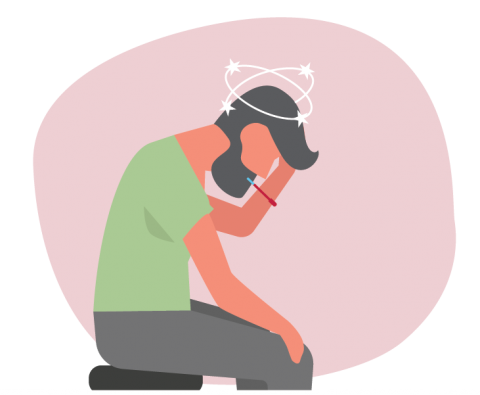
- Dizziness, confusion or unconsciousness
If you suspect heat stroke, call 9-1-1 or take the person to a hospital immediately. If possible, move the person suffering from heat stroke into a cool, shaded area. Remove any outer clothing. Place a cold, wet cloth or ice pack on the head, neck, armpits, and groin. Alternatively, soak the person’s clothing with cool water. Elevate their feet.
 HEAT EXHAUSTION
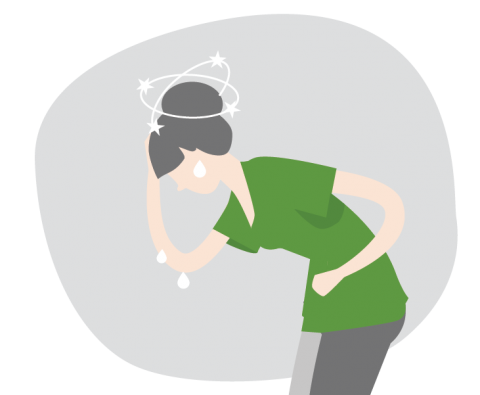
- Signs: Heavy sweating, paleness, muscle cramps, tiredness, weakness, fast or weak pulse, dizziness, headache, fainting, nausea, vomiting
If you have signs of heat cramps or heat exhaustion, go to a cooler location and cool down by removing excess clothing and taking sips of sports drinks or water. Call your healthcare provider if symptoms get worse or last more than an hour.
Summer Break
While the kids are home for the summer, get the whole family prepared.
- Make a family communication plan and include the whole family.
- Practice evacuation plans and other emergency procedures with children on a regular basis.
- Teach kids when and how to call important phone numbers like 9-1-1.
- Make sure the kids have an emergency contact person and know how to reach them.
- Create a family password or phrase to prevent your child from going with a stranger.
- Keep the kids occupied with online emergency preparedness games.
- Download the free Prepare with Pedro activity book to help kids learn to prepare.
- Decide on a family meeting place you can go if separated.
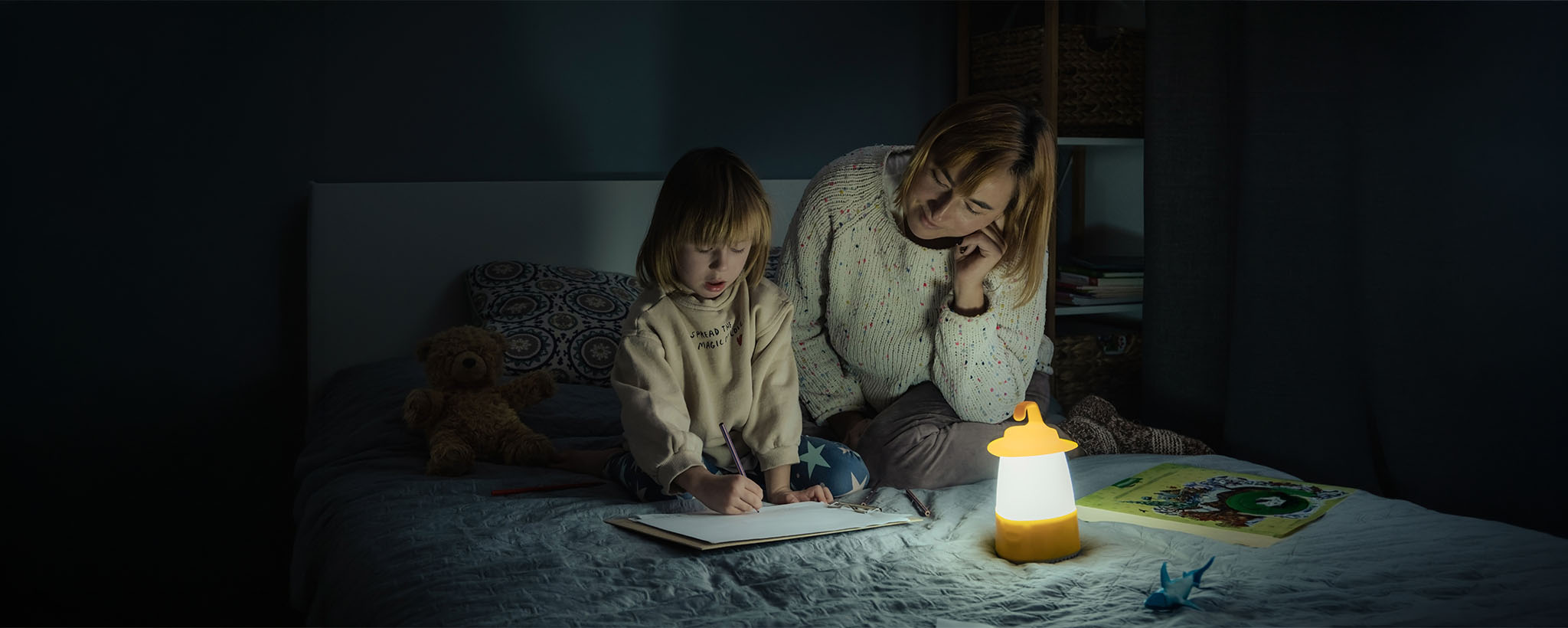
Extended power outages may impact the whole community and the economy. A power outage is when the electrical power goes out unexpectedly.
A power outage may:
- Disrupt communications, water and transportation.
- Close retail businesses, grocery stores, gas stations, ATMs, banks and other services.
- Cause food spoilage and water contamination.
- Prevent use of medical devices.
Power Outage Tips
- Keep freezers and refrigerators closed.
- Use a generator, but ONLY outdoors and away from windows.
- Do not use a gas stove or oven to heat your home. It increases your risk of carbon monoxide poisoning. Using an oven or stovetop can also increase the risk of fires, burns and could damage the appliance.
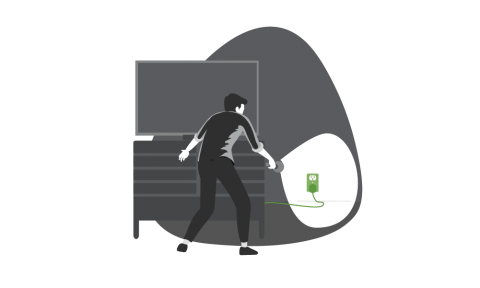
- Disconnect appliances and electronics to avoid damage from electrical surges.
- Have a plan for refrigerating medicines or using power-dependent medical devices.
- Check with local officials about heating and cooling locations near you.
How to Protect Yourself During A Power Outage
Go to a community location with power if heat or cold is extreme.
Preparing for a Power Outage
Make a list of the items you need that rely on electricity. Plan for batteries and other alternative power sources to meet your needs when the power goes out, such as a portable charger or power bank. Have flashlights for every household member. Determine whether your home phone will work in a power outage and how long battery backup will last.
Know Your Medical Needs
Talk to your medical provider about a power outage plan for medical devices powered by electricity and refrigerated medicines. Find out how long medication can be stored at higher temperatures and get specific guidance for any medications that are critical for life.
Using Appliances During Power Outages
Install carbon monoxide detectors with battery backup in central locations on every level of your home. Avoid carbon monoxide poisoning. Generators, camp stoves or charcoal grills should always be used outdoors and at least 20 feet away from windows. Never use a gas stovetop or oven to heat your home. Turn off or disconnect appliances, equipment, or electronics. Power may return with momentary surges or spikes that can cause damage.
Food Storage
Have enough nonperishable food and water. Keep freezers and refrigerators closed. The refrigerator will keep food cold for about four hours. A full freezer will keep the temperature for about 48 hours. Use coolers with ice if necessary. Monitor temperatures with a thermometer. Throw out food if the temperature is 40 degrees or higher.
Generator Safety
Generators can be helpful when the power goes out. It is important to know how use them safely to prevent carbon monoxide (CO) poisoning and other hazards.- Generators and fuel should always be used outdoors and at least 20 feet away from windows, doors and attached garages.
- Install working carbon monoxide detectors on every level of your home. Carbon monoxide is a colorless, odorless gas that can kill you, your family and pets.
- Keep the generator dry and protected from rain or flooding. Touching a wet generator or devices connected to one can cause electrical shock.
- Always connect the generator to appliances with heavy-duty extension cords.
- Let the generator cool before refueling. Fuel spilled on hot engine parts can ignite.
- Follow manufacturer’s instructions carefully.
Returning After A Power Outage
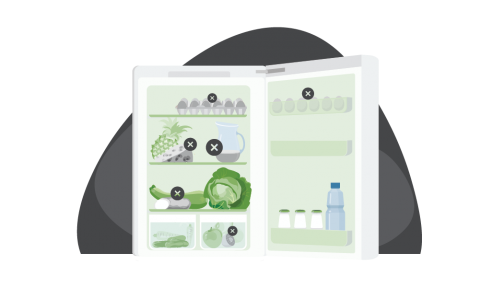
- When in doubt, throw it out! Throw away any food that has been at temperatures 40 degrees or higher for two hours or more, or that has an unusual odor, color or texture.
- If the power is out for more than a day, discard any medication that should be refrigerated, unless the drug’s label says otherwise. Consult your doctor or pharmacist immediately for a new supply.
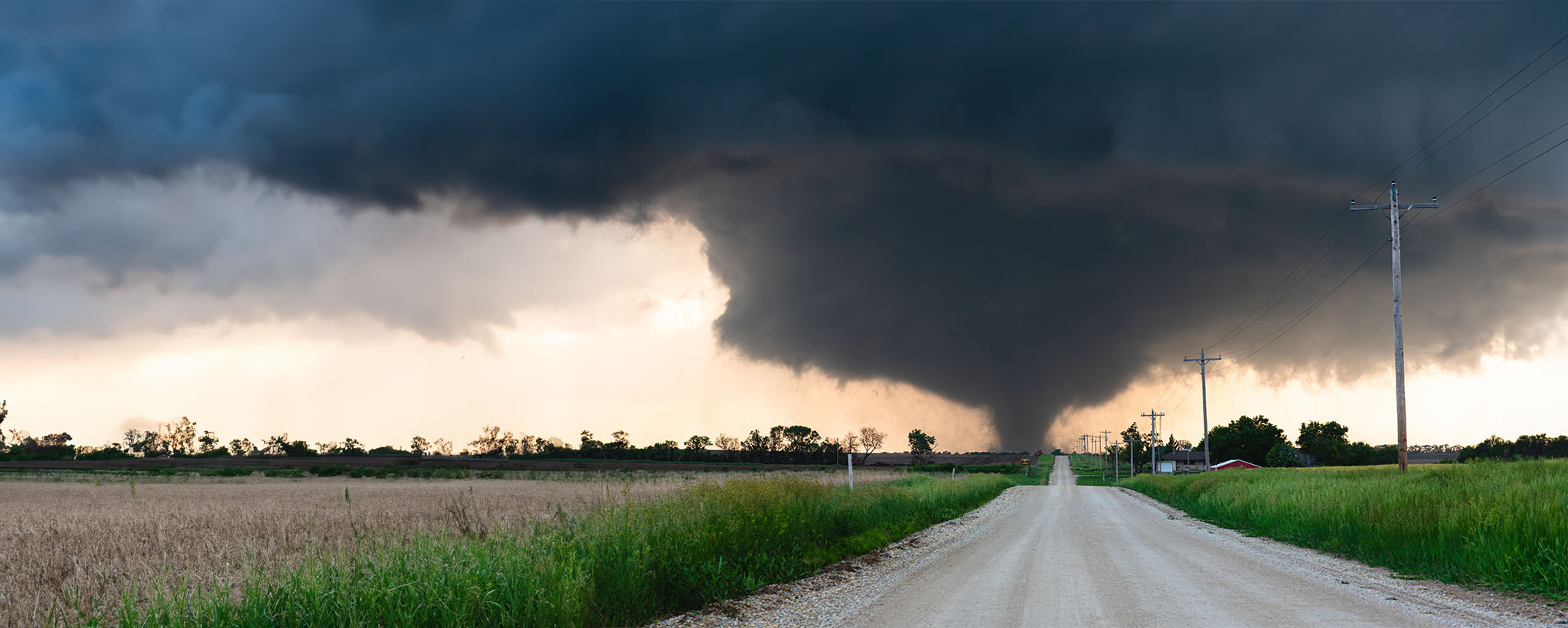
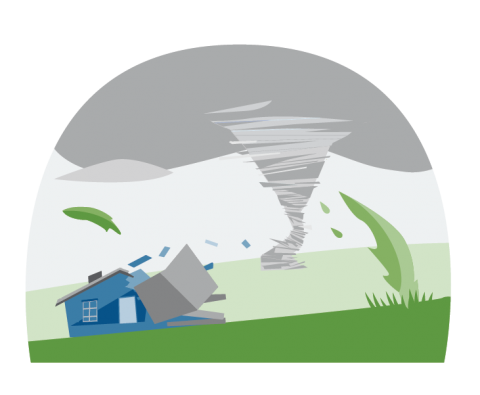
Tornadoes are fast-spinning columns of air that reach from a thunderstorm down to the ground. They can destroy buildings, flip cars and send dangerous debris flying through the air.
A tornado can:
- Happen anytime and anywhere.
- Bring intense winds, over 200 miles per hour.
- Look like funnels.
If You Are Under A Tornado or Severe Weather Warning
- Listen to local weather reports and officials for updated emergency information. Follow their instructions to remain safe.
- Go to a public shelter if you can’t stay at home.
- Stay away from windows, doors, and outside walls.
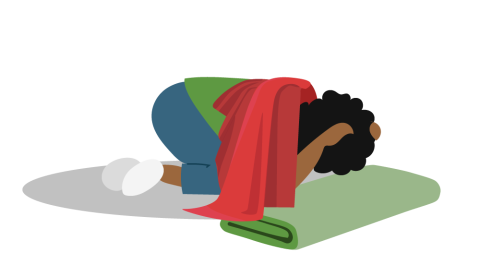
- Use your arms to protect your head and neck.
- Watch out for flying debris that can cause injury or death.
Before a Tornado
- Know your area’s tornado risk. In the U.S., the Midwest and the Southeast have a greater risk for tornadoes.
- Know the signs of a tornado, including a rotating, funnel-shaped cloud, an approaching cloud of debris, or a loud roar like a freight train.
- Sign up for your community’s warning system. The Emergency Alert System (EAS) and NOAA Weather Radio also provide emergency alerts. If your community has sirens, become familiar with the warning tone.
- Pay attention to weather reports. Meteorologists can predict when conditions might be right for a tornado.
- Identify and practice going to a safe shelter such as a safe room built using FEMA criteria or a storm shelter built to ICC 500 standards. The next best protection is a small, interior, windowless room or basement on the lowest level of a sturdy building.
- Plan for your pet. They are an important member of your family, so they need to be included in your family’s emergency plan.
- Prepare for a long-term stay at home or sheltering in place by gathering emergency supplies, cleaning supplies, non-perishable foods, water, medical supplies and medication.
During a Tornado
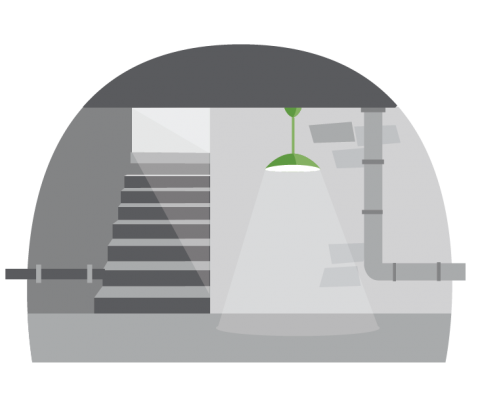
- Immediately go to a safe location that you have identified.
- Pay attention to EAS, NOAA Weather Radio, or local alerting systems for current emergency information and instructions.
- Protect yourself by covering your head or neck with your arms and putting materials such as furniture and blankets around or on top of you.
- In a car or truck: There is no safe option when caught in a tornado in a car, just slightly less dangerous ones.
- If the tornado is visible, far away, and the traffic is light, you may be able to drive out of its path by moving at right angles to the tornado.
- If you are caught by extreme winds or flying debris, park the car as quickly and safely as possible — out of the traffic lanes.
- Stay in the car with the seat belt on. Put your head down below the windows; cover your head with your hands and a blanket, coat, or other cushion if possible.
- If you can safely get noticeably lower than the level of the roadway, leave your car and lie in that area, covering your head with your hands.
- Avoid seeking shelter under bridges, which can create deadly traffic hazards while offering little protection against flying debris.
After a Tornado
- Pay attention to EAS, NOAA Weather Radio, and local authorities for updated information.
- Save your phone calls for emergencies and use text messaging or social media to communicate with family and friends.
- Stay clear of fallen power lines or broken utility lines.
- Contact your healthcare provider if you are sick and need medical attention. Wait for further care instructions and continue to shelter in place.
- Wear appropriate gear during clean-up such as thick-soled shoes, long pants, and work gloves. Use appropriate face coverings or masks if cleaning mold or other debris.

Cyberattacks are malicious attempts to access or damage a computer or network system. They can lead to financial loss, theft of personal, financial, or medical information, and damage to your reputation and safety.
Cybersecurity involves preventing, detecting, and responding to cyberattacks that can affect individuals, organizations, communities, and the nation.
Cyberattacks can occur in many ways, including:
- Accessing personal computers, mobile phones, gaming systems, and other internet- or Bluetooth-connected devices.
- Damaging your financial security, including through identity theft.
- Blocking access to or deleting personal information and accounts.
- Disrupting employment or business services.
- Impacting transportation and the power grid.
Protect Yourself Against Cyberattacks
Take steps in advance to reduce cyber risks:
- Limit the personal information you share online. Change privacy settings and turn off location features.
- Keep software and operating systems up-to-date.
- Create strong passwords using upper- and lowercase letters, numbers, and special characters. Use a password manager and two methods of verification.
- Watch for suspicious messages that create urgency, offer something too good to be true, or request personal information. Think before you click. When in doubt, do not click.
- Protect your home or business with a secure internet connection and Wi-Fi network, and change passwords regularly.
- Do not share PINs or passwords. Use biometric security, such as fingerprint or facial recognition, when available.
- Check account statements and credit reports regularly.
- Be cautious when sharing financial information, such as your bank account, Social Security, or credit card number. Only share information on secure sites that begin with https://. Use a VPN for a more secure connection.
- Use antivirus, anti-malware, and firewall protection.
- Back up files regularly using encrypted storage.
- Do not click links in texts or emails from people you do not know.
- Remember that the government will not call, text, or contact you through social media about owing money.
- Be cautious of scams involving work-from-home opportunities, debt consolidation, or student loan repayment.
During a Cyberattack
- Check credit card and bank statements for unfamiliar charges.
- Check credit reports for new accounts or loans you did not open.
- Be cautious of emails and social media users requesting private information.
- If you notice unusual activity, immediately change your internet account passwords.
- Consider turning off the affected device and have a professional check it for viruses. A legitimate company will not call and ask to control your computer to fix it.
- Notify your work, school, or other system owners about the incident.
- Run a security scan to check for infections or unusual system activity.
- If you find a problem, disconnect the device from the internet and perform a full system restore.
After a Cyberattack
Notify the appropriate federal, state, and local authorities if you believe you have been a victim of a cyberattack.
- Contact your banks, credit card companies, and other financial services. Place holds on affected accounts, close unauthorized accounts, and report possible identity theft.
- Report suspected misuse of your Social Security number to the Office of the Inspector General (OIG).
- File a report with the FBI Internet Crime Complaint Center (IC3).
- File a report with local police so there is an official record.
- Report identity theft to the Federal Trade Commission (FTC).
- Contact the FTC if you receive messages from someone claiming to be a government agent.
- Contact additional agencies based on the information stolen, such as the Social Security Administration if your Social Security number was compromised or the Department of Motor Vehicles if your driver’s license or vehicle registration was stolen.
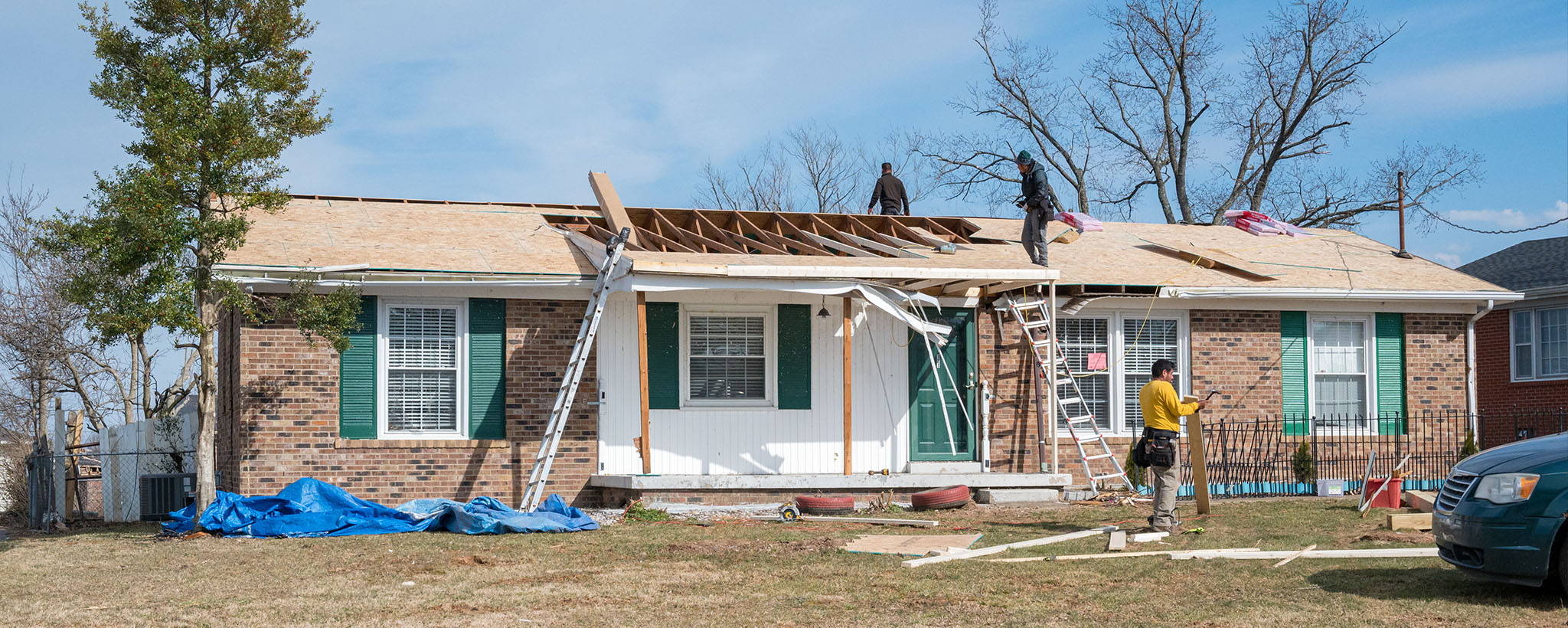
Recovering from a disaster is usually a gradual process. Start by making sure you and your family are safe, then take things one step at a time. Use guidance from local officials to know when it is safe to return and what hazards to watch for.
Help can be available through multiple sources. Your insurance company (if you have one), community organizations, and local officials can explain your options and how to get assistance. This section offers some general advice on steps to take after disaster strikes to begin getting your home, your community and your life back to normal.
First, if you have insurance, contact your insurance agent to file a claim.
- Make sure to document all your damages – before you clean up, take photos and make a list.
- Save all your receipts for post-damage repair and clean up.
- If you have insurance and damages, you must file a claim with your insurance company.
If you have uninsured damages following a disaster, contact your local emergency management agency.
- Let your local officials know of any damages you may have, and what immediate assistance you may need.
- Local officials and voluntary organizations are usually the best options for immediate needs such as food and shelter.
Replacing Vital Documents
It can feel overwhelming to deal with replacing lost documentation after a disaster. Visit FEMA’s Replacing Vital Documents page for guidance on how to start replacing important documents with resources from state and federal partners.
Recovering from a disaster is a gradual process, take care of yourself and your family
- Your first concern after a disaster is your family’s health and safety. You need to consider possible safety issues and monitor family health and well-being.
- If you are returning home following a disaster, know it can be both physically and mentally challenging. Above all, use caution. You may be anxious to see your property, but do not return home before local officials say it is safe to return.
- Administer first aid and seek medical attention for any injured person following a disaster.
- Check for injuries. Do not attempt to move seriously injured persons unless they are in immediate danger of death or further injury. If you must move an unconscious person, first stabilize the neck and back, then call for help immediately.
Safety Issues
- Be aware of new safety issues created by the disaster. Watch for washed out roads, contaminated buildings, contaminated water, gas leaks, broken glass, damaged electrical wiring and slippery floors.
- Walk carefully around the outside and check for loose power lines, gas leaks and structural damage. If you have any doubts about safety, have your residence inspected by a qualified building inspector or structural engineer before entering.
- Watch out for animals, especially poisonous snakes. Use a stick to poke through debris.
- Do not enter your damaged home if:
- You smell gas.
- Floodwaters remain around the building.
- Authorities have not declared it safe to enter.
- Inform local authorities about health and safety issues, including chemical spills, downed power lines, washed out roads, smoldering insulation and dead animals.
- Keep a battery-powered radio with you for emergency updates from local officials.