

Make a plan today! Your family may not be together if a disaster strikes, so it is important to know which types of disasters could affect your area. Know how you’ll contact one another and reconnect if separated. Establish a family meeting place that’s familiar and easy to find.
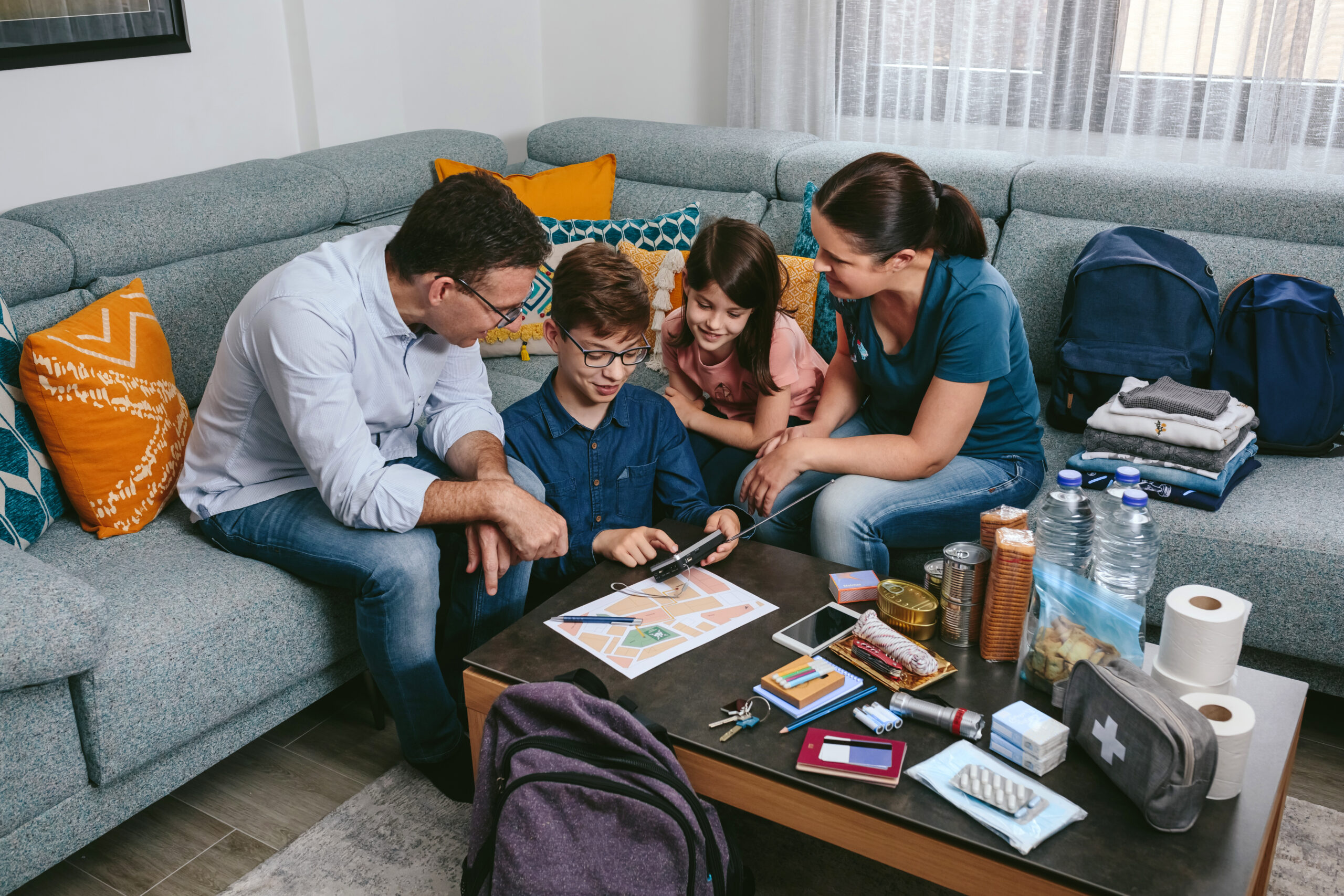
Put a plan together by discussing the questions below with your family, friends or household to start your emergency plan.
- How will I receive emergency alerts and warnings?
- What is my shelter plan?
- What is my evacuation route?
- What is my family/household communication plan?
- Do I need to update my emergency preparedness kit?
Step 2: Assess Your Household Needs
As you prepare your plan, customize your plans and supplies to your specific daily living needs and responsibilities. Discuss how people in your network can help each other with communication, care of children, business, pets or other needs. Think about the following:
- Different ages of members within your household
- Responsibilities for helping others
- Locations you visit often
- Dietary needs
- Medical needs like prescriptions and equipment
- Disabilities or access and functional needs including devices and equipment
- Languages spoken
- Cultural and religious factors
- Pets or service animals
- Households with school-aged children
Step 3: Document Your Plan
Create your family emergency plan quickly and easily. Fill out information that can help your family be prepared. Add important info about your household like names and contacts of family members, meeting places, and medical information.
Step 4: Practice Your Plan
Practice your plan with your household.
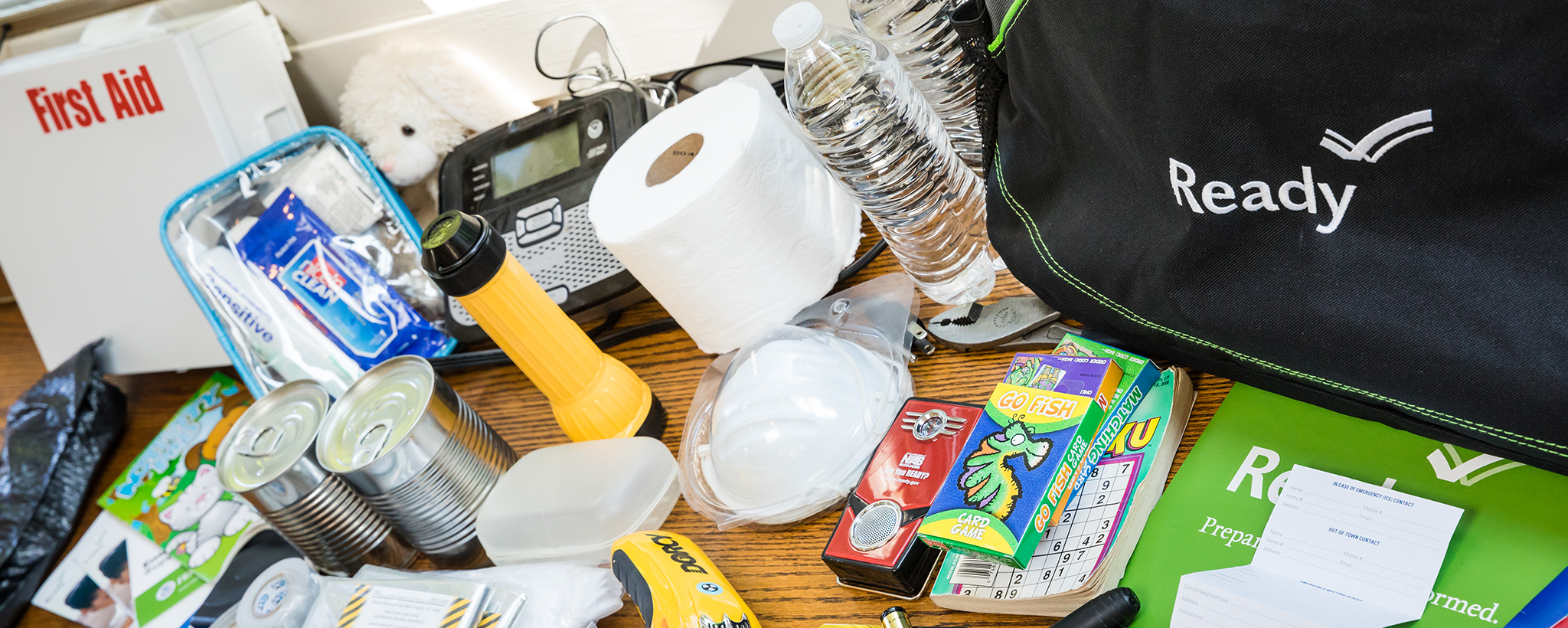
After an emergency, you may need to survive on your own for several days. Being prepared means having your own food, water, and other supplies to last for several days. A disaster supplies kit is should have basic items your household may need in an emergency.

Make sure your emergency kit is stocked with the items on the checklist below. Download a printable version to take with you to the store. Once you take a look at the basic items consider what unique needs your family might have, such as supplies for pets or seniors.

When emergencies strike, public safety officials use timely and reliable systems to alert you. This page describes different warning alerts you can get and how to get them.
Be Informed – Medina County
- Medina County residents can sign up for Medina County Emergency Alerts to receive important emergency information and instructions by phone call, text message, and email. The free system helps keep residents informed during emergencies and other situations that may affect their safety.
- If you need to shelter in place for any reason such as a chemical spill, storm, or earthquake, follow recommendations from the Federal Emergency Management Agency (FEMA).
Visit ready.gov for more information and guidance on preparing for an emergency.
Additional Wireless Alerts:
National Weather Service,
National Center for Missing and Exploited Children
Integrated Public Alert and Warning System.
Emergency Alert System (EAS)
National Oceanic and Atmospheric Administration (NOAA) Weather Radio All Hazards (NWR)
Integrated Public Alert and Warning System (IPAWS)
The FEMA App
Disasters are costly, but preparing for them doesn’t have to be. Taking time to prepare now can help save you thousands of dollars and give you peace of mind when the next disaster or emergency happens.
Take these simple, low or no cost steps today to be better prepared for any disaster or emergency.
Start Today
- Know what kind of disasters and emergencies are most common for where you live.
- Create your emergency communications plan. Use this free template to gather all your important contact and medical information about your family, which you then can share with others. Keep both digital and paper copies.
- Make sure you store important phone numbers somewhere besides just your cell phone.
- Sign up for emergency alerts in your area to receive life-saving information from your state and local municipality.
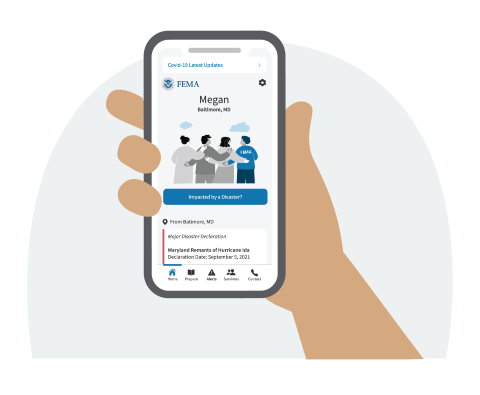
- Download the FEMA App (available in English and Spanish) to receive weather alerts, safety tips and reminders and be ready for the unexpected.
- Build your emergency supply kit over time. Start with items you might already have in your home, like a flashlight, extra batteries, copies of important documents, water and non-perishable food. When you go to the grocery store, you can pick up an extra item that you use regularly, especially if it’s on sale! Community food banks are another possible resource for food-insecure families to stock their emergency supply kits.
- Talk with family or members of your household about where you will go if told to evacuate. Having a plan before disaster strikes can help you save precious time and money.
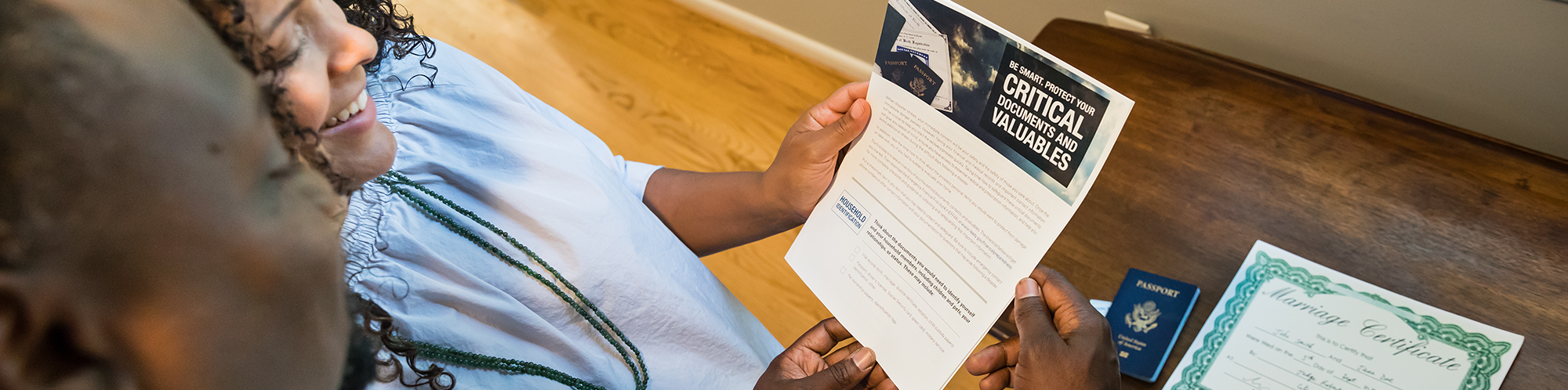
- Store important documents and items like passports, birth certificates, maps and electronics in a flood-safe place like a high shelf or upper floor in resealable water-tight plastic bags to help waterproof them. Store important documents like insurance policies digitally.
- Consider adding older clothing that still fits well to your disaster kit instead of donating it. You could also work within your social circle to swap clothes, which can be extra helpful if you have children.
- Look for deals at garage sales and thrift stores. You may find useful items like camping gear, tools, cookware, and backpacks or luggage for much cheaper. Also, keep an eye out for seasonal sales on emergency supplies.
- Contact your local fire department. They may have programs that provide fire or carbon monoxide detectors.
- Check online for free or discounted CPR courses offered near you.
- Visit Floodsmart.gov to know your area’s level of flood risk.
- Download free preparedness resources.
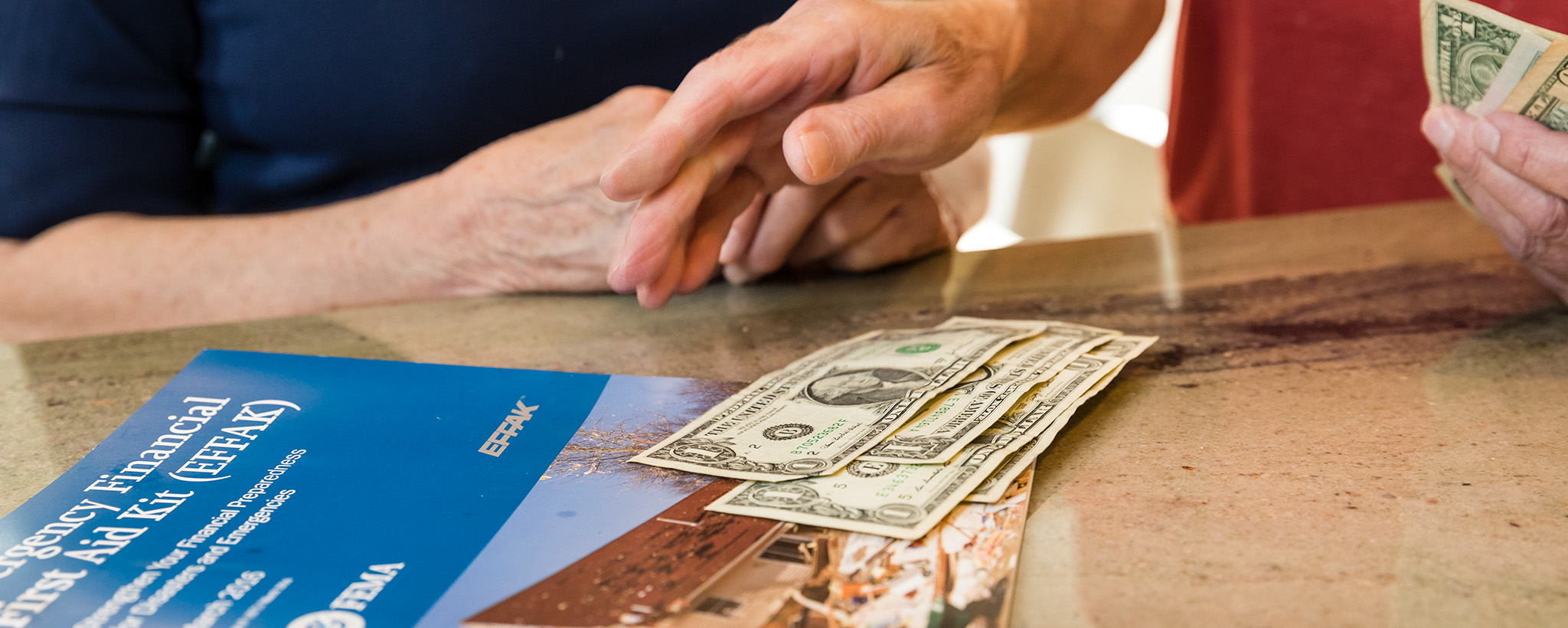
Financial preparedness can help you recover more quickly after a disaster or emergency. Having access to important financial, insurance, medical, and personal records is an important part of the recovery process.
- Gather important information: Collect financial, personal, household, and medical records and keep them in a safe, accessible location.
- Build emergency savings: Consider saving money for emergencies and keep a small amount of cash at home in a secure place. Keep small bills on hand since ATMs and credit card services may not work during a disaster.
- Review your insurance: Have homeowners or renters, health, and life insurance as appropriate. Review your policies to make sure you have enough coverage for potential hazards. Keep in mind that homeowners insurance typically does not cover flooding, so separate flood insurance may be needed.
- Use the Emergency Financial First Aid Kit (EFFAK): This resource can help you organize important information and prepare financially for disasters.
Be Safe
Protect your personal financial information, including bank account, Social Security, and credit card numbers. Do not click links in unexpected texts or emails, and be cautious of scammers contacting you by phone or social media. Remember that the government will not contact you through social media or unexpectedly call or text you about owing money or receiving payments. Report suspected government-related scams to the Federal Trade Commission (FTC).
Important Documents to Keep
Store important documents in a safe deposit box, external drive, or secure cloud storage. Consider keeping copies of:
- Identification: Photo IDs, birth certificates, Social Security cards, military records, and pet ID tags.
- Financial and legal records: Housing payments, insurance policies, income information, and tax documents.
- Medical information: Doctor and health insurance information, immunization records, and medication lists.
- Contact information: Banks, insurance agents, healthcare providers, and other important service providers.
Protect Your Access to Money
Disasters can disrupt mail service for days or weeks. Consider using direct deposit or electronic benefits to ensure you can access Social Security and other payments. Online and mobile banking can also help you manage your finances when in-person services are unavailable. If needed, look into government benefits for unemployment, healthcare, and food and nutrition assistance.
Practice Your Home Fire Escape Plan
Creating and practicing a home fire escape plan is simple. Follow the steps below to make sure everyone in your home is prepared and knows what to do in case of a home fire.
- Make a written home fire escape plan and practice getting out in under 2 minutes.
- Make sure you have smoke alarms on every level of your home and in each bedroom. Test them twice a year.
- Learn the best practices for home fire safety and fire safety with children.
Make an Escape Plan
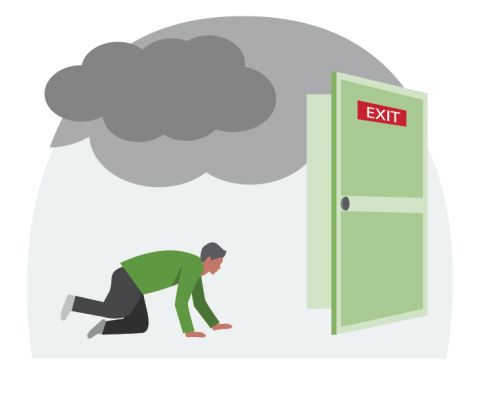
- Learn two ways out of every room in your home, in case one exit is blocked or dangerous to use. A second way out can include an escape ladder for rooms on an upper level.
- Practice getting low and moving to your exits in case there is smoke.
- Choose a safe meeting place a safe distance from your home.
- Have a home fire drill at least twice a year.
Children and Fire Safety
It is important to have a plan when there are children in your home. Children may become very scared and need clear direction and help getting out of the house. They may not know how to escape or what to do unless an adult shows them.
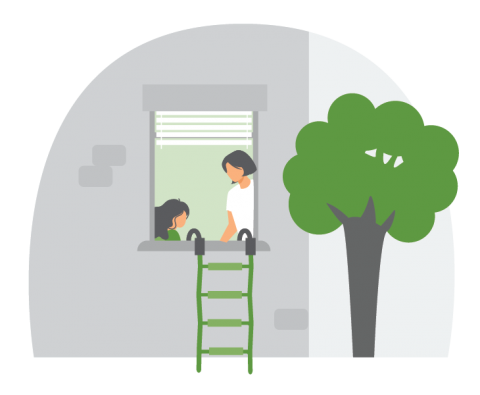
- Have a plan for young children under six who cannot get outside by themselves. In your plan, talk about who will help each child get out safely.
- Children should know what to do when they hear a smoke alarm and there is no adult around. Help them practice going to the outside meeting place.
- Teach children to NEVER go back inside a burning building. Once they are out, stay out!
- Teach your child to get low and crawl on the ground, where the air is less smoky.
- Show a child how to use the back of their hand to check doors for heat before opening and to use a different way out if the door is hot.
- If your child needs to use an escape ladder, show them where you keep it and practice how to use it.
Conduct a Home Fire Drill
Fires can start anywhere in the home and at any time, so run through the plan at different times of the day or night and practice different ways out.
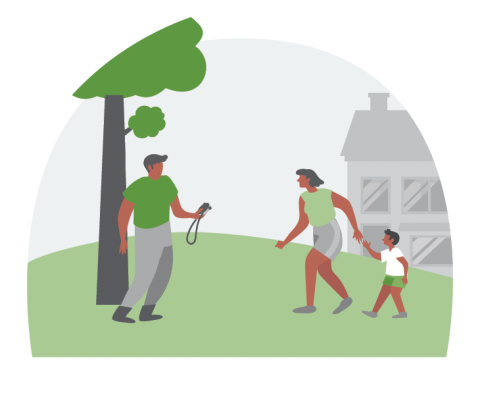
Step 1: Know where to go. Review your safe meeting place. Explain to your kids that when the smoke alarm beeps, they need to get out of the house quickly and meet at that safety spot.
Step 2: Check your smoke alarms. Test your smoke alarms with your kids so they know the sound.
Step 3: Do the drill. Have kids head to their bedrooms and wait for the drill to begin. Assign adults to help young children. Put one adult in charge of sounding the smoke alarm and running the drill. Next, sound the smoke alarm, start the timer and have everyone book it to the safety spot. Once everyone gets to the safe meeting place stop the timer. If you all made it in under two minutes, you each get an imaginary gold medal. If not, give it another try. In a real fire, get to the safe meeting place, then call 9-1-1 and keep everyone close until firefighters arrive.

Technology has made it easier than ever to prepare for emergencies, but it can be unreliable in an emergency if you haven’t kept your gadgets protected and powered up. Here are some tips to make sure you are tech ready:
Be Informed
- Download the FEMA app. Get weather alerts from the National Weather Service for up to five different locations anywhere in the United States.
- Sign up for FEMA text messages to get updates from FEMA (standard message and data rates apply).
Here are basic commands to get started:
- To sign up to get preparedness tips: text PREPARE to 43362.
- To search for open shelters (for disaster survivors): text SHELTER and a ZIP code to 43362.
- To get a list of all keywords you can subscribe to: text LIST to 43362.
- To unsubscribe (at any time): text STOP to 43362.
- Before a disaster, follow local government on social media to stay up-to-date with official information before, during and after a disaster. Sign up for Twitter alerts from trusted government agencies to get notified when critical information goes out.
Make A Plan
- Use text messages, social media and email to connect with friends and family during emergencies.
- Mobile networks can become overwhelmed during emergencies, making it hard to make and get phone calls. Text messages require less bandwidth, which means they are able to be transmitted more reliably during situations when many people are trying to use their mobile phones at the same time.
- Social media channels such as Facebook and Twitter can also be an effective way to update family and friends during emergencies. Facebook’s Safety Check feature allows users to easily post a status update indicating that they are safe during a time of disaster.
- Have an emergency charging option for your phone and other mobile devices. Smartphones have become a vital tool to get emergency alerts and warnings so it’s important to make sure you can keep them powered up in an emergency.
- At home: Before severe weather make sure that all of your electronic devices are fully charged. If the power goes out use your device less to save battery power. Keep a back-up power source on hand.
- In your car: Keep a portable phone charger in your car at all times and consider buying a back-up power supply to keep in your car as well.
- Change the settings on your phone to low power mode or put it on airplane mode to save energy.
- Store important documents on a secure, password-protected jump drive or in the cloud.
- There are many apps that let you use your phone’s camera as a scanning device. This lets you get an electronic version of important documents such as insurance policies, identification documents and medical records. Don’t forget to include your pet’s information.
- Back-up your computer to protect photos and other important electronic documents.
- Scan old photos to so you don’t lose them.
- Keep your contacts updated and synced across all of your channels, including phone, email and social media. This will make it easy to reach out to the right people quickly to get information and give updates. Consider creating a group listserv of your top contacts.
- Create a group chat via a texting app or a thread for family/friends/coworkers to communicate quickly during a disaster.
- Sign up for direct deposit and electronic banking through your financial institution so you can access your paycheck and make electronic payments wherever you are. Federal benefit recipients can sign up by calling 800-333-1795 or at GoDirect.org.
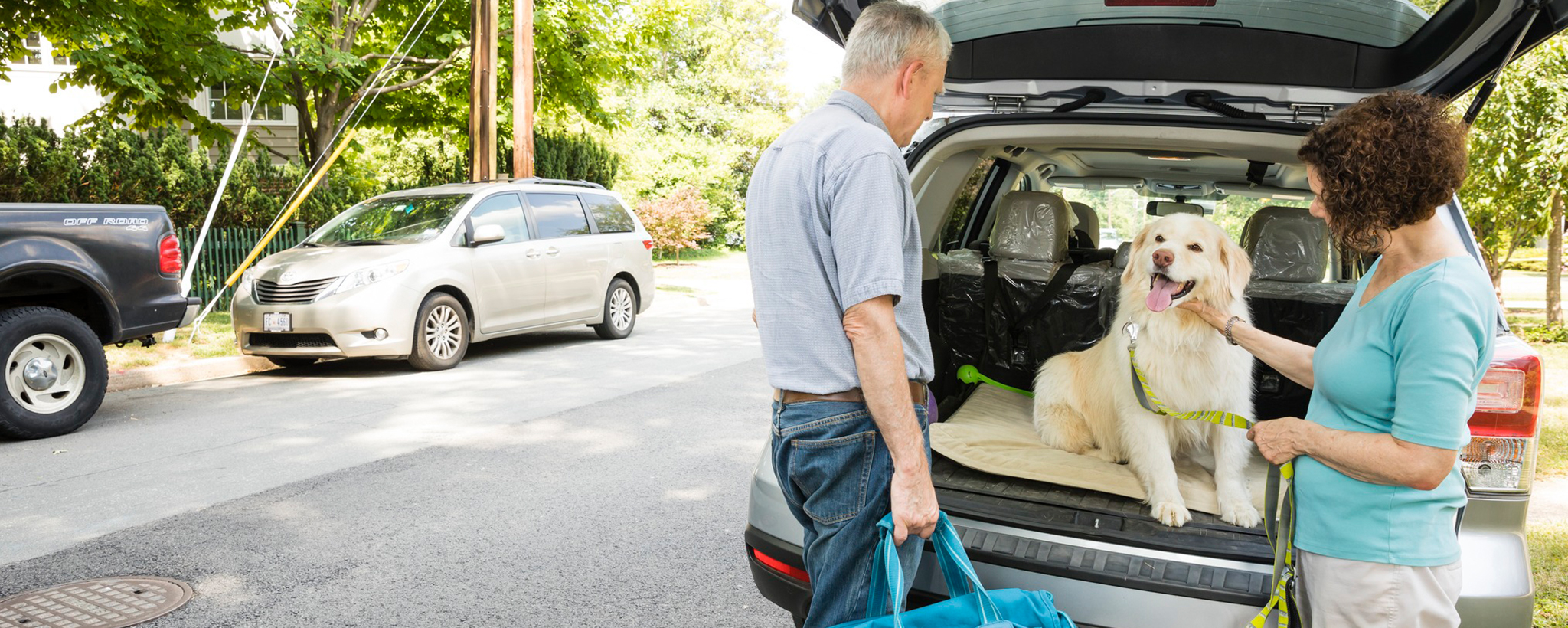
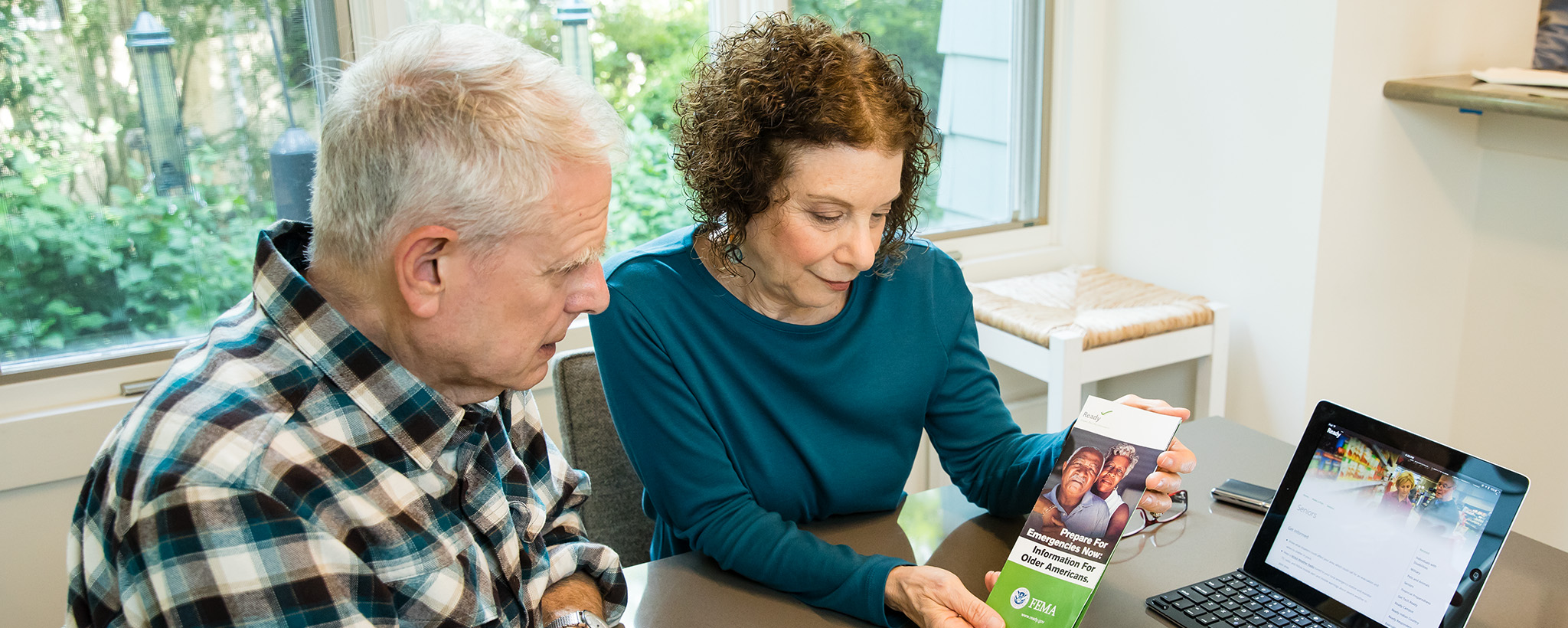
As an older adult, you may have specific needs after a disaster. Use the information on this page to assess your needs and take simple, low-cost steps that help you get better prepared.
Take Control in 1, 2, 3
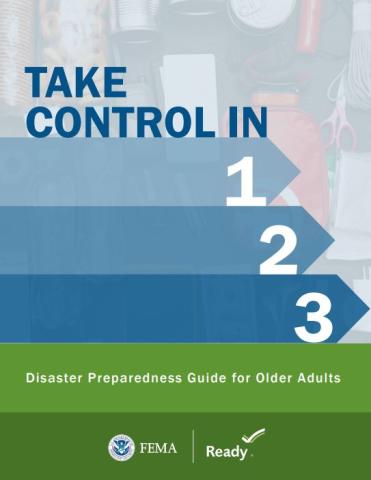
The Disaster Preparedness Guide for Older Adults is intended to support older adults and their caregivers in preparing in three easy steps: assess your needs, create a plan and engage your network. The guide provides easy-to-read, user-friendly worksheets that walk individuals and caregivers through a self-assessment to identify specific needs and checklists that create a personalized plan.
First, know your risk. Then, understand your needs during emergencies. This section guides you through a self-assessment process to identify your specific needs so that you can create a personalized emergency plan.
Develop a comprehensive emergency plan and emergency preparedness kit tailored to your unique needs. This section ensures you are well prepared to respond to various emergency scenarios.
Build a strong support network and include them in your emergency planning. This section provides recommendations for how you can engage your family, friends, caregivers, neighbors, fellow congregants from your place of worship, and others who can assist you during an emergency.
Get Prepared
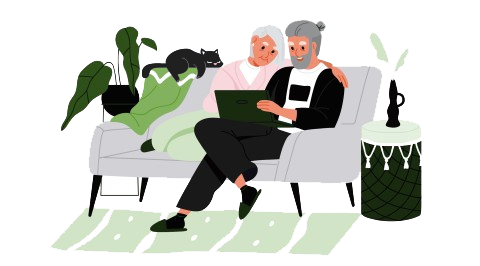
- Know what disasters could affect your area, which could call for an evacuation, and when to shelter in place, and plan what you need to do in both cases.
- Keep a NOAA Weather Radio tuned to your local emergency station and monitor TV and radio for warnings about severe weather in your area.
- Download the FEMA app and get weather alerts from the National Weather Service for up to five different locations anywhere in the United States.
Plan Ahead
- Plan how you will communicate if you have a communications need.
- Plan for food, water, and essentials for you and pets or service animals. Research pet-friendly evacuation centers.
- Plan for your transportation if you need help evacuating.
- Include items that meet your individual needs, such as medicines, medical supplies, batteries and chargers, in your emergency supply kit.
- Plan how you will have your assistive devices with you during an evacuation.
- Make copies of Medicaid, Medicare, and other insurance cards.
Make a Plan
Determine any special assistance you may need and include plans for that assistance in your emergency plan. For more detailed information, visit our page on planning for people with disabilities.
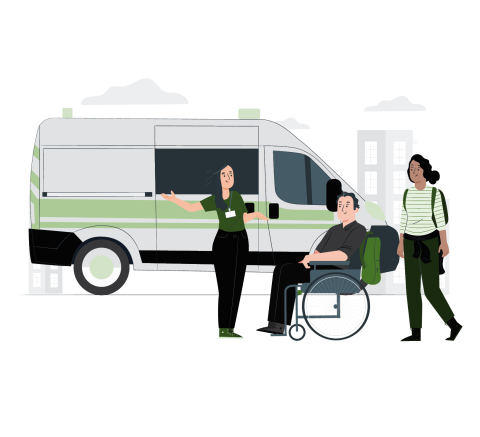
- Create a support network of family, friends and others who can assist you during an emergency. Make an emergency plan and practice it with them.
- Make sure at least one person in your support network has an extra key to your home, knows where you keep your emergency supplies, and knows how to use lifesaving equipment or administer medicine.
- If you undergo routine treatments administered by a clinic or hospital, find out their emergency plans and work with them to identify back-up service providers.
- Don’t forget your pets or service animals. Not all shelters accept pets, so plan for alternatives. Consider asking loved ones or friends outside of your immediate area if they can help with your animals.
Get Your Benefits Electronically
A disaster can disrupt mail service for days or weeks. If you depend on Social Security or other regular benefits, switching to electronic payments is a simple, important way to protect yourself financially before disaster strikes. It also eliminates the risk of stolen checks. The U.S. Department of the Treasury recommends two safer ways to get federal benefits:
- Direct deposit to a checking or savings account. If you get federal benefits you can sign up by calling 800-333-1795 or sign up online.
- The Direct Express® prepaid debit card is designed as a safe and easy alternative to paper.
Disability intersects every demographic group. People with disabilities are of all ages, races, sex, and national origins. Disabilities can impact people in many ways, both visible and invisible. For people with disabilities and their families, it is important to consider individual circumstances and needs when preparing for emergencies and disasters.
Get Informed
- Know what disasters could affect your area, which may require an evacuation, and when to shelter in place.
- Keep a NOAA Weather Radio tuned to your local emergency station and monitor TV and radio. Follow mobile alerts and severe weather warnings.
- Download the FEMA App and get National Weather Service alerts for up to five locations anywhere in the U.S.
Make a Plan
In the event of a disaster could you make it on your own for several days? After a disaster you may not have access to a medical facility or even a drugstore. It’s crucial to plan for your daily needs and know what you would do if they become limited or unavailable. Additional planning steps include:
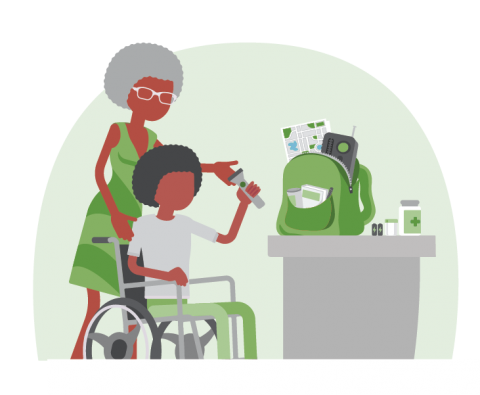
- Create a support network of people who can help you in a disaster. Keep a contact list in a watertight container in your emergency kit or on your electronic devices.
- Tell your support network where you keep your emergency supplies. You may want to consider giving a trusted member a key to your house or apartment.
- Plan ahead for accessible transportation that you may need for evacuation or getting around during or after disaster. Check with local transit providers as well as with your emergency management agency to identify appropriate accessible options.
- Many city and county emergency management agencies maintain voluntary registries for people with disabilities to self-identify in order to receive targeted assistance during emergencies and disasters. Contact your local emergency management office to find out more.
- If you are on dialysis or other life-sustaining medical treatment know the location and availability of more than one facility that can help you.
- If you use medical equipment in your home that requires electricity, talk to your doctor or health care provider about what you may be able to do to keep it running during a power outage. You can also ask your power provider to put you on a list for priority power restoration.
- About half of all Americans take a prescription medicine every day. An emergency can make it difficult for them to refill their prescription or to find an open pharmacy. Organize and protect your prescriptions, over-the-counter drugs, and vitamins to prepare for an emergency.
- Wear medical alert tags or bracelets. Also add pertinent medical information to your electronic devices.
- If you have a communication disability consider carrying printed cards or storing information on your devices to inform first responders and others how to communicate with you.
- If you use assistive technologies, plan how you will evacuate with the devices or how you will replace equipment if lost or destroyed.
- Locate and access your electronic health records from a variety of sources by using the U.S. Department of Health and Human Services.
- Plan for children and adults who may have difficulty in unfamiliar or chaotic environments. Consider your service or support animal or pets and plan for food, water and supplies. If you need to evacuate, you’ll need to know whether your shelter allows pets or not, since some shelters only allow service or support animals.
- Keep a list of the nearest medical facilities, local hospitals and nearest accessible transportation.
Get Your Benefits Electronically
A disaster can disrupt mail service for days or weeks. If you depend on Social Security or other regular benefits, switching to electronic payments is an easy way to protect yourself financially before disaster strikes. It also eliminates the risk of stolen checks. The U.S. Department of the Treasury recommends two safer ways to get federal benefits:
- Direct deposit to a checking or savings account. If you get federal benefits you can sign up by calling 800-333-1795 or sign up online.
- The Direct Express® prepaid debit card is designed as a safe and easy alternative to paper checks. Call toll-free at 877-212-9991 or sign up online.
Medina County Disability Registry Form
The Medina County Board of Developmental Disabilities along with emergency response personnel have created this form to help improve response to calls involving people living in Medina County who may have a disability. This form is for anyone who has a disability, not just those with developmental disabilities.
Build a Kit
Tips for Medications
- Talk to your doctor or pharmacist about creating an emergency supply of medicines.
- Keep a list of prescription medicines, including diagnosis, dosage, frequency, medical supply needs, and allergies.
- Store extra nonprescription drugs, such as pain and fever relievers, antihistamines, and antidiarrheal medicines.
- Have a cooler and chemical ice packs available for medicines that need refrigeration.
Tips for People Who are Deaf or Hard of Hearing
- Weather radio with text display and flashing alert
- Extra hearing-aid batteries
- Pen and paper for communicating with people who do not know sign language
- Battery-operated lantern for communication by sign language or lip reading when the power is out
Tips for People Who are Blind or Have Low Vision
- Mark emergency supplies with Braille labels or large print. Keep a list of supplies and where they were purchased on a portable flash drive or in an accessible audio file.
- Keep communication devices for your needs, such as a Braille or deaf-blind communications device, in your emergency kit.
Tips for People with Speech Disabilities
- If you use an augmentative communication device or other assistive technology, plan how you will evacuate with it or replace it if lost or destroyed. Keep model information and note where the equipment came from.
- Plan how you will communicate if your equipment is not working, such as with laminated cards containing phrases or pictograms.
Individuals with Intellectual or Developmental Disabilities
- Keep handheld electronic devices charged and loaded with videos and activities.
- Keep spare chargers charged and ready.
- Include sheets and twine or a small pop-up tent to reduce visual stimulation or provide privacy.
- Consider noise-canceling headphones to reduce auditory stimulation.
- Have comfort snacks available.
Tips for People with a Mobility Disability
- If you use a power wheelchair, have a lightweight manual chair available as a backup, if possible.
- Show others how to assemble, disassemble, and operate your wheelchair.
- Keep an extra battery for power wheelchairs or other battery-operated medical or assistive devices, and keep batteries charged.
- Consider a patch kit, sealant, or extra inner tube for wheelchair or scooter tires.
- Keep an extra mobility device, such as a cane or walker, if needed.
- Keep a portable air pump for wheelchair tires.
- If you use a seat cushion for skin protection or balance, consider keeping an extra cushion for evacuation.
- Communicate with neighbors who can assist you if you need to evacuate.
Tips for Individuals with Alzheimer’s and Related Dementia
- Do not leave the person alone. Even those who do not usually wander may do so in unfamiliar environments.
- During evacuation, bring a pillow, blanket, or other comforting items.
- At a shelter, try to stay away from exits and choose a quiet area.
- If the person becomes agitated, respond to the emotions being expressed and provide reassurance.
Additional Items
-
- Several days of prescription medicines
- A list of all medications, dosages, and allergies
- Extra eyeglasses, contacts, hearing aids, and batteries
- Backup oxygen
- Medical device style and serial numbers, along with operating instructions if needed
- Copies of insurance and Medicare cards
- Contact information for doctors, relatives, or friends who should be notified if you are hurt
- Pet food, extra water, collar with ID tag, medical records, and other supplies for your service or support animal
People Experiencing Extreme Heat
People with disabilities, access and functional needs, and older adults may be at increased risk during extreme heat. For example:
- People with spinal cord injuries may be at higher risk because they may not be able to cool their bodies through sweating.
- People with severe mental health conditions, including schizophrenia, may be at risk because medications can interfere with the body’s ability to cool itself.
- People with cognitive, intellectual, or developmental disabilities, including Alzheimer’s disease and dementia, may have difficulty understanding or explaining how heat affects them, which can prevent protective actions. The ability to perceive and communicate discomfort may vary depending on the stage of dementia or disease.
Plan ahead, take precautions, have support, and be aware of the symptoms of heat exposure.
- Ask caregivers, family, and friends to monitor your heat-related needs and check in regularly.
- Review medication side effects and talk with your doctor about how heat exposure may interact with them.
- Take a cool shower, bath, or sponge bath if experiencing heat exhaustion or heat stroke.
- Ask your local energy utility about priority access during power outages when power is medically necessary.
- Monitor local weather and emergency alerts.
- Have a plan for shade, hydration, sun protection, and limiting outdoor exposure.
- Identify air-conditioned locations and arrange needed accommodations ahead of time, including with people in your support network.
- Coordinate accessible transportation to and from cooling locations.
- If medical needs cannot be accommodated at conventional cooling locations, contact local hospitals or nursing homes to create contingency plans if you cannot stay home.

In recognition of caregivers’ dedication and commitment to those in their care, FEMA and the Rosalynn Carter Institute for Caregivers (RCI) have created the Disaster Preparedness Guide for Caregivers to help them navigate unique challenges that may arise during disasters. While caregiving can be overwhelming at times, taking three essential steps—assessing needs, engaging a support network, and creating a plan—can help caregivers feel more prepared and in control when disaster strikes.
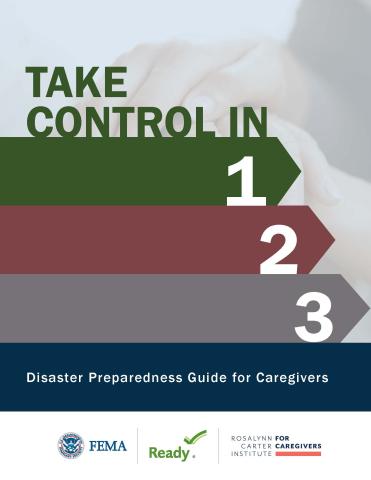
The Disaster Preparedness Guide for Caregivers includes tailored information and resources for three main caregiver audiences: those who can involve their care recipient in their planning, those who can engage a support network to aid planning, and solo caregivers. It provides key considerations caregivers can use to identify their care recipient’s needs and how they may change during a disaster.
Take Control Step 1: Identify Barriers and Risks

As a family caregiver, you are used to handling the unexpected. You know that circumstances can change quickly and that plans need to adjust based on the needs of your care recipient—sometimes day-to-day and sometimes hour-by-hour. You know how to navigate complex systems to help your care recipient lead a fulfilling and meaningful life. All your experience as a caregiver will help you prepare your care recipient for disasters and emergencies. Caregivers and their support networks have a window into the world of their care recipients. Yet often, it is easy to miss some specific barriers they may face. Understanding your care recipient’s unique risks is vital in personalizing a comprehensive disaster preparedness plan.
Take Control Step 2: Learn and Connect

Now that you have taken some time to assess the barriers, risks, and needs that your care recipient may face, Step 2 will help you assess preparedness roles, learn about resources to meet these needs, and provide guidance on fostering a collaborative approach to preparedness. If you are a solo caregiver, now is the time to start building connections to create a support network that will allow you and your care recipient to be resilient in the face of barriers and risks you encounter.
Take Control Step 3: Make a Plan

Now that you have done a thorough risk assessment and identified the resources available to you and your care recipient, you are ready to make a disaster emergency plan. This includes building a disaster preparedness kit and preparing for evacuation or disaster sheltering scenarios. While planning, you will want to include your care recipient, when possible, as well as family and friends and any support networks you have developed. Be honest and open about the process and the role you are willing to play.
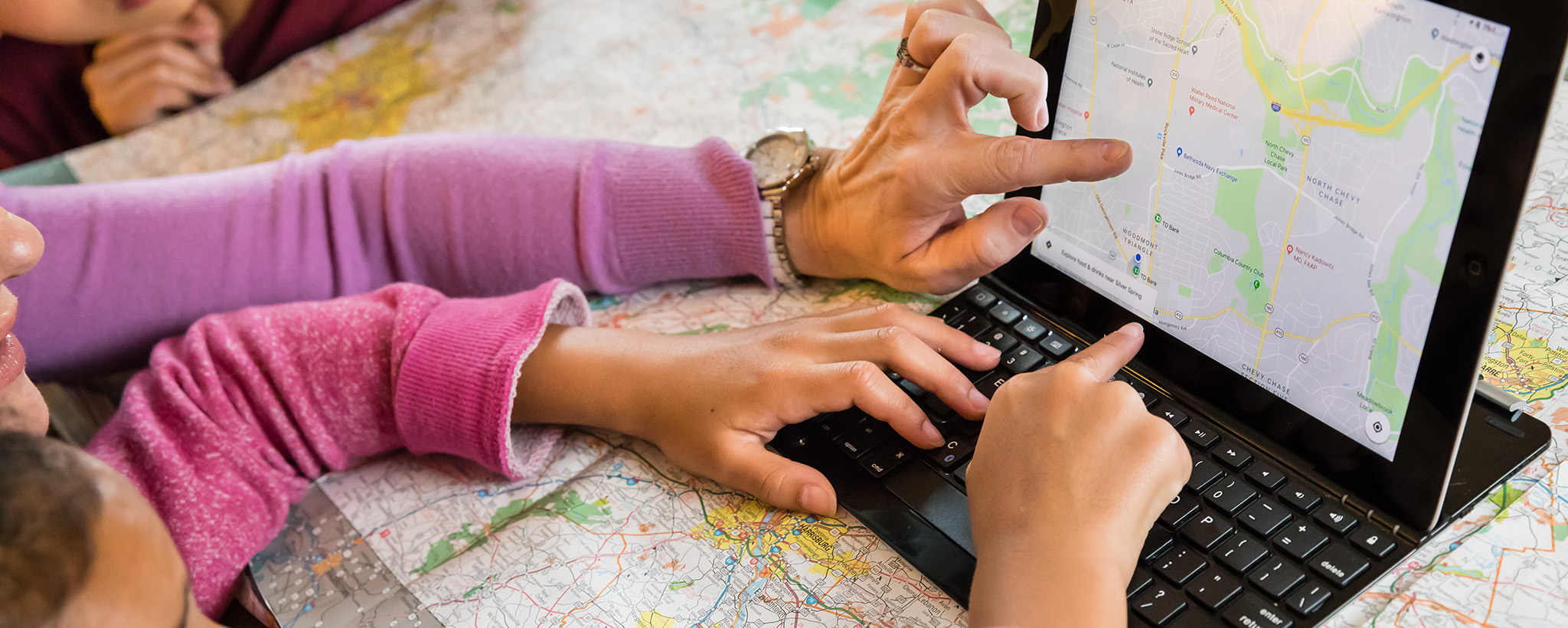
Be in the Know
We have all heard that knowledge is power. In an emergency, it can be lifesaving. This is why we are encouraging everyone to “Be in the Know” to evacuate safely.
Know Your Risks
- It’s important to understand your location’s risks because no two communities face the same extreme weather conditions. You can find your local risks with FEMA’s National Risk Index.
Know When and Where to Go
- Whether it’s the home of a friend or family member or a pre-designated shelter, know your evacuation destination.
- Having these plans in place can save valuable time and, most importantly, lives.
- Many states have designated evacuation zones and predetermined evacuation routes. Learn your state and local plans by visiting your state and county emergency management websites.
Know What to Bring
- Build a go-bag with all the essentials you might need, so you don’t need to scramble in an evacuation situation. Find a list of supplies at Build A Kit.
- Make sure everyone in your household knows where the bag is stored, and who is responsible for it in the event of an emergency.
Know Your Information Sources
- Identify where you can access reliable information so you can make informed decisions before, during, and after a disaster. Keeping up to date with the latest developments can save lives.
- Sign up for alerts from your local emergency management agencies and the National Weather Service, which will provide updates on threat conditions, shelter locations, and other important safety information.
- Download the FEMA App where you can receive real-time weather alerts, locate emergency shelters in your area, prepare for common hazards, and more.
Before an Evacuation
 Learn the types of disasters that are likely in your community and the local emergency, evacuation and shelter plans for each specific disaster.
- Plan how you will leave and where you will go if you are advised to evacuate.
- Check with local officials about what shelter spaces are available for this year.
- Identify several places you could go in an emergency such as a friend’s home in another town or a motel. Choose destinations in different directions so that you have options during an emergency.
- If needed, identify a place to stay that will accept pets. Most public shelters allow only service animals.
- Be familiar with alternate routes and other means of transportation out of your area.
- Always follow the instructions of local officials and remember that your evacuation route may be on foot depending on the type of disaster.
- Visit FEMA’s National Risk Index, an interactive tool anyone can use to improve their understanding of natural hazard risk where they live so they can take action to protect themselves.
- Come up with a family/household plan to stay in touch in case you become separated; have a meeting place and update it depending on the circumstance.
- Assemble supplies that are ready for evacuation. Prepare a “go-bag” you can carry when you evacuate on foot or public transportation and supplies for traveling longer distances if you have a car.
- If you have a car:
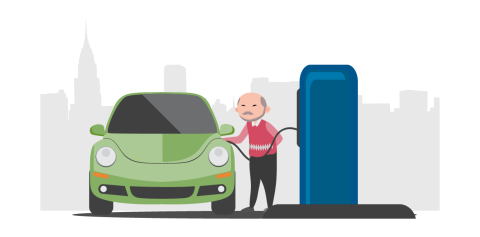
- Keep a full tank of gas if an evacuation seems likely. Keep a half tank of gas in it at all times in case of an unexpected need to evacuate. Gas stations may be closed during emergencies and unable to pump gas during power outages. Plan to take one car per family to reduce congestion and delay.
- Make sure you have a portable emergency kit in the car.
- If you do not have a car, plan how you will leave if needed. Decide with family, friends or your local emergency management office to see what resources may be available.
During an Evacuation
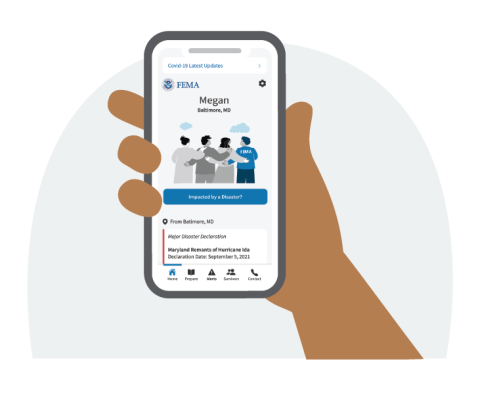
- Download the FEMA app for a list of open shelters during an active disaster in your local area.
- Listen to a battery-powered radio and follow local evacuation instructions.
- Take your emergency supply kit.
- Leave early enough to avoid being trapped by severe weather.
- Take your pets with you but understand that only service animals may be allowed in public shelters. Plan how you will care for your pets in an emergency now.
- If time allows: Call or email the out-of-state contact in your family communications plan. Tell them where you are going.
- Secure your home by closing and locking doors and windows.
- Unplug electrical equipment such as radios, televisions and small appliances. Leave freezers and refrigerators plugged in unless there is a risk of flooding. If there is damage to your home and you are instructed to do so, shut off water, gas and electricity before leaving.
- Leave a note telling others when you left and where you are going.
- Wear sturdy shoes and clothing that provides some protection such as long pants, long-sleeved shirts and a hat.
- Check with neighbors who may need a ride.
- Follow recommended evacuation routes. Do not take shortcuts, they may be blocked.
- Be alert for road hazards such as washed-out roads or bridges and downed power lines. Do not drive into flooded areas.
After an Evacuation
If you evacuated for the storm, check with local officials both where you’re staying and back home before you travel.
- If you are returning to disaster-affected areas, after significant events prepare for disruptions to daily activities and remember that returning home before storm debris is cleared is dangerous.
- Let friends and family know before you leave and when you arrive.
- Charge devices and consider getting back-up batteries in case power-outages continue.
- Fill up your gas tank and consider downloading a fuel app to check for outages along your route.
- Bring supplies such as water and non-perishable food for the car ride.
- Avoid downed power or utility lines, they may be live with deadly voltage. Stay away and report them immediately to your power or utility company.
- Only use generators outside and away from your home and NEVER run a generator inside a home or garage or connect it to your home’s electrical system

Sheltering is appropriate when conditions require that you seek protection in your home, where you work or other location when emergencies arise. The length of time you are required to take shelter may be short, such as during a tornado warning. In all cases, it is important that you stay informed and follow the instructions of local authorities.
During extended periods of sheltering you will need to manage water and food supplies to make sure you and your family have what you need to get by. Read more about managing water and managing food.
Choosing to take shelter is necessary in many emergencies. This can mean: Stay-At- Home, Going to a Mass Care Shelter, or Sheltering in Place. Here’s the distinction:
Mass Care Shelter
Mass care shelters provide life sustaining services to disaster survivors. Even though mass care shelters often provide water, food, medicine and basic sanitary facilities, you should plan to take your emergency supply kit with you so you will have the supplies you need. Mass care sheltering can involve living with many people in a confined space, which can be difficult and unpleasant.
- Be prepared to take cleaning items with you like, soap, hand sanitizer, disinfecting wipes or general household cleaning supplies to disinfect surfaces.
- All shelters accept service animals, but many public shelters and hotels do not allow pets inside. Know a safe place where you can take your pets before disasters and emergencies happen.
Search for open shelters by texting SHELTER and your ZIP code to 43362. Example: Shelter 01234 (standard rates apply).
Learn more by visiting: disasterassistance.gov
Sheltering in Place
Whether you are at home, work or anywhere else you frequent regularly, there may be situations when it’s best to stay where you are and avoid any uncertainty outside.
Here are some indicators and steps to take if the situation arises:
- Use common sense and available information to assess the situation and determine if there is immediate danger.
- If you see large amounts of debris in the air, or if local authorities say the air is badly contaminated you may want to take this kind of action.
Here are some tips for sheltering in place:
- Local authorities may not immediately be able to provide information on what is happening and what you should do.
- Pay attention to local media outlets for official news and instructions as they become available.
- Bring your family and pets inside.
- Lock doors, close windows, air vents and fireplace dampers.
- Turn off fans, air conditioning and forced air heating systems.
- Take your emergency supply kit unless you have reason to believe it has been contaminated.
- Go into an interior room with few windows if possible.
- Seal all windows, doors and air vents with thick plastic sheeting and duct tape. Consider measuring and cutting the sheeting in advance to save time.
- Cut the plastic sheeting several inches wider than the openings and label each sheet.
- Duct tape plastic at corners first and then tape down all edges.
- Be prepared to improvise and use what you have on hand to seal gaps so that you create a barrier between yourself and any contamination.
“Sealing a room” is considered a temporary protective measure to create a barrier between you and potentially contaminated air outside. This type of sheltering in place requires pre-planning, by purchasing plastic sheeting and duct tape that you would keep in your emergency supply kit.
Stay-at-Home
- Remain indoors as much as possible and try to only leave your home when necessary. You can still use outdoor spaces such as patios, porches and yards.
- Outdoor activities such as walking, jogging and exercise are fine.
- Essential services such as grocery shopping, the gas station, pharmacies and going to the Post Office are still fine to do.
- Limit visitors if possible. Try to use video chatting. Call the people you would normally text.
Learn First Aid and CPR
Take a first aid and CPR class. You can get more information about training from your local American Red Cross chapter. Getting certified protects you under Good Samaritan laws if you have to give first aid.
Get more information about the supplies in a first aid kit.
Learn to Use a Fire Extinguisher
Have at least one up-to-date fire extinguisher and let everyone in your household know where it’s kept and how to use it. You should have an ABC type at minimum.
The U.S. Fire Administration says you should only use a fire extinguisher if you’ve been trained in its proper use and maintenance. Contact your local fire department for information on training in your area. Get more information about preparedness for a fire emergency.
Know How to Shut Off Utilities
Natural Gas
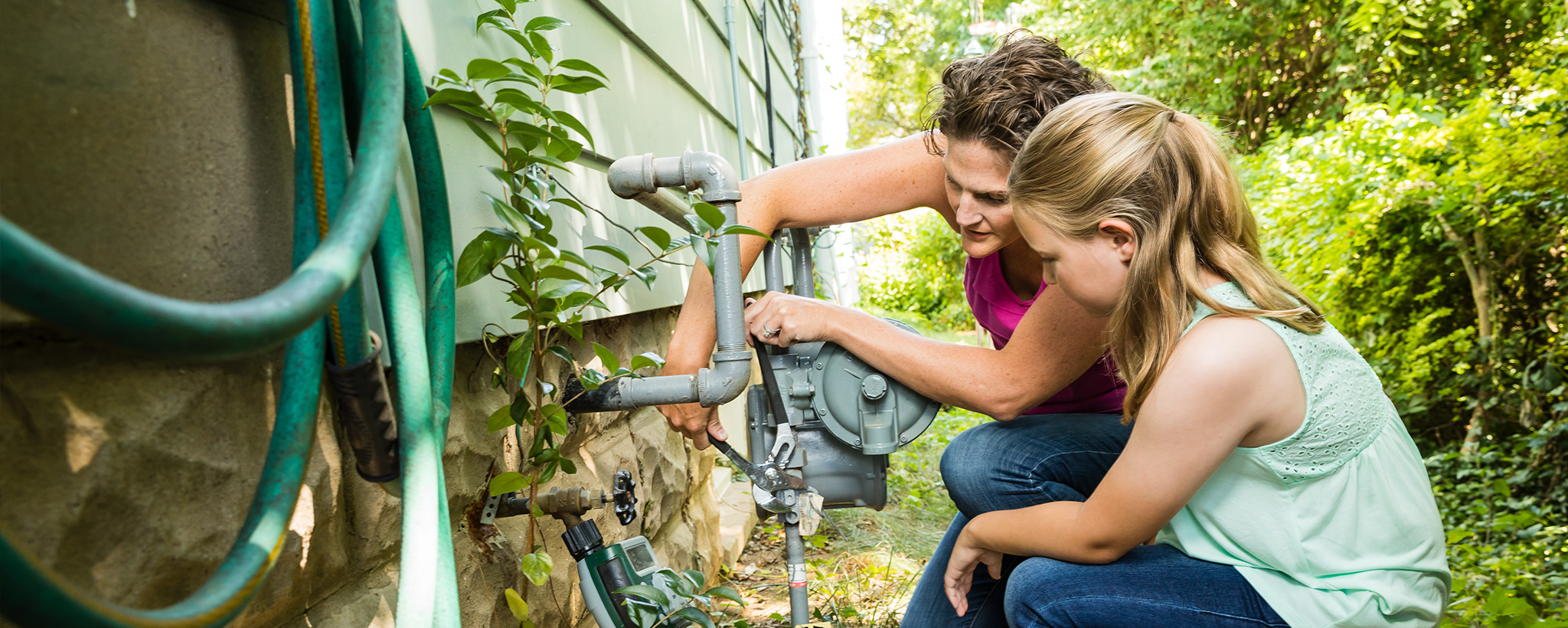
Natural gas leaks and explosions cause a significant number of fires after disasters. It’s important that all household members know how to shut off natural gas.
There are different gas shut-off procedures for different gas meter configurations, so it’s important to call your gas company. They can help you prepare for gas appliances and gas service to your home in the event of an emergency.
Make sure everyone in your household knows the proper shut-off procedure for your meter. Do not actually turn off the gas when practicing shutting it off.
- If you smell gas or hear a blowing or hissing noise, open a window and get everyone out quickly. Turn off the gas using the outside main valve if you can and call the gas company from a neighbor’s home.
- Caution: If you turn off the gas for any reason, only a qualified professional can turn it back on. NEVER attempt to turn the gas back on yourself.
Water
Water quickly becomes a precious resource following many disasters. It is important that everyone in your household learn how to shut off the main water valve to the house.
- Find the shut-off valve for the main water line that enters your house and tag it for easy identification. Make sure everyone in your household knows where it is.
- Make you can shut the valve off completely. Your valve may be rusted open or it may not close all the way. If so replace it.
- Cracked lines may pollute the water supply to your house. It’s a good idea to shut off your water until authorities say it’s safe to drink.
The effects of gravity may drain the water in your hot water heater and toilet tanks unless you trap it in your house by shutting off the main house valve. (This is not the street valve in the cement box at the curb – the street valve is extremely difficult to turn and requires a special tool.)
Electricity
Electrical sparks can ignite natural gas if it is leaking. Teach all responsible household members how to shut off the electricity.
- Locate your electrical circuit box. For your safety, always shut off all the individual circuits before shutting off the main circuit.
Associated Content

Be Informed
Many emergencies and disasters occur without any warning. Since you can’t predict where you will be for disasters, it is important to have plans and supplies for the places you and your household go to regularly. Planning ahead ensures that you and your family will know what to do and have the supplies you need to be safe wherever you are.
Find out what plans are available for the locations you go to regularly. Customize your personal and household plans based on what household members would do if an emergency occurred while they were at that location.
Make a Plan by Location
Examples of locations to consider and plan for include:
- Home
- Workplace
- Vehicles (download the Commuter Emergency Plan)
- Regular methods of transportation such as trains, urban commuter transit
- School and daycare
- Places of worship
- Sports arenas and playing fields
- Entertainment locations such as theatres
- Shopping areas such as malls and retail centers
- Tourist and travel locations such as hotels
Additional Considerations
To develop a plan for different locations, you need to get important information about the organization or building managers’ plans. In some cases, if plans are not available, you may have to work with the building manager or other members of the organization to develop or build out plans. Consider the following:
- Local alerts or warnings available at the location
- Building alarm or alert systems
- Building evacuation plans including alternate exits
- Building or organization shelter in place plans
- Supplies you would need for temporary sheltering
Consider how the type of building or the environment around the building may impact alerts and warnings, shelter and evacuation and the need for supplies. Examples include:
- Single story vs multi-story or high-rise buildings have different types of alarm systems, shelter and evacuation considerations.
- Urban and rural locations may have different local assumptions and plans for evacuation if large areas are affected.
- Buildings like schools, sports arenas and malls have different safety plans depending on how they are built and what kind of emergency is happening.
- Outdoor locations like sports fields or golf courses need specific plans for rapid short-term shelter (e.g. for thunderstorms and lightning or tornadoes).
- Geography may be critical for some hazards (e.g. if the area is low and vulnerable to flash flooding).
- Mobile homes, modular structures and other buildings not attached to permanent foundations require planning for evacuation and alternate shelter locations.
Neighborhoods, Condominiums and Apartments
- Talk to your neighbors about how you can work together during an emergency.
- Find out if anyone has specialized equipment like a power generator or expertise such as medical knowledge that might help in a crisis.
- Decide who will check on elderly or disabled neighbors.
- Make back-up plans for children in case you can’t get home in an emergency.
- Sharing plans and communicating in advance is a good strategy.
In a High-Rise Building
- Know where the closest emergency exit is.
- Know another way out in case your first choice is blocked.
- Take cover against a desk or table if things are falling.
- Move away from file cabinets, bookshelves or other things that might fall.
- Face away from windows and glass.
- Move away from exterior walls.
- Determine if you should stay put, shelter-in-place or get away.
- Listen for and follow instructions.
- Take your emergency supply kit, unless there is reason to believe it has been contaminated.
- Do not use elevators.
- Stay to the right while going down stairwells to allow emergency workers to come up.
In a Moving Vehicle
- If there is an explosion or other factor that makes it difficult to control the vehicle, pull over, stop the car and set the parking brake.
- If the emergency could impact the physical stability of the roadway, avoid overpasses, bridges, power lines, signs and other hazards.
- If a power line falls on your car you are at risk of electrical shock, stay inside until a trained person removes the wire.
- Listen to the radio for information and instructions as they become available.
- Have a plan for traveling between work and home and other commonly visited locations in case of an emergency. Download the Commuter Emergency Plan (PDF).
- Unrepaired recalls can lead to crashes, injuries or worse. The National Highway Traffic Safety Administration urges drivers to check for open vehicle safety recalls at least twice a year. These tools are fast, free and could save lives:
- Use recall lookup tools using your license plate or Vehicle Identification Number (VIN).
- Download the free SaferCar app for quick checks.

Businesses and their employees face a variety of hazards:
- Natural hazards like floods, hurricanes, tornadoes, and earthquakes.
- Health hazards such as widespread and serious illnesses.
- Human-caused hazards such as accidents and acts of violence.
- Technology-related hazards like power outages and equipment failure.
Business leaders and employees can do a lot to prepare for the most likely hazards they will face in the workplace. Ready Business helps you to create a preparedness plan to get ready for what comes next.
The Ready Business Toolkit series includes hazard-specific versions for earthquake, hurricane, inland flooding, power outage, and severe wind/tornado. Toolkits offer business leaders a step-by-step guide to build preparedness within an organization.
The process for creating a business’ preparedness plans should encompass as much as possible of what a business might need during an emergency. This includes communications planning, IT support and recovery, and continuity plans. Ready.gov and FEMA have plans available that your business can use to get started.
Being prepared in advance is a critical step to responding to an emergency and keeping your business and employees safe. Training, testing and exercises are essential components of preparedness. Training ensures that everyone knows what to do when there is an emergency or business operations are disrupted.
If your business doesn’t have a plan yet, or if you’re in the middle of reviewing plans, there are steps that business leaders can take to prepare their companies for disasters.
A variety of resources are available to help your business be prepared for a disaster and recover stronger. Information to help you prepare and recover includes resources on incident management, resource management and hazard prevention.
Build A Kit
After an emergency, you may need to survive on your own for several days. Being prepared means having your own food, water and other supplies to last for several days. A disaster supplies kit is a collection of basic items your household may need in the event of an emergency.
Make sure your emergency kit is stocked with the items on the checklist below. Download a printable version to take with you to the store. Once you take a look at the basic items consider what unique needs your family might have, such as supplies for pets or seniors.
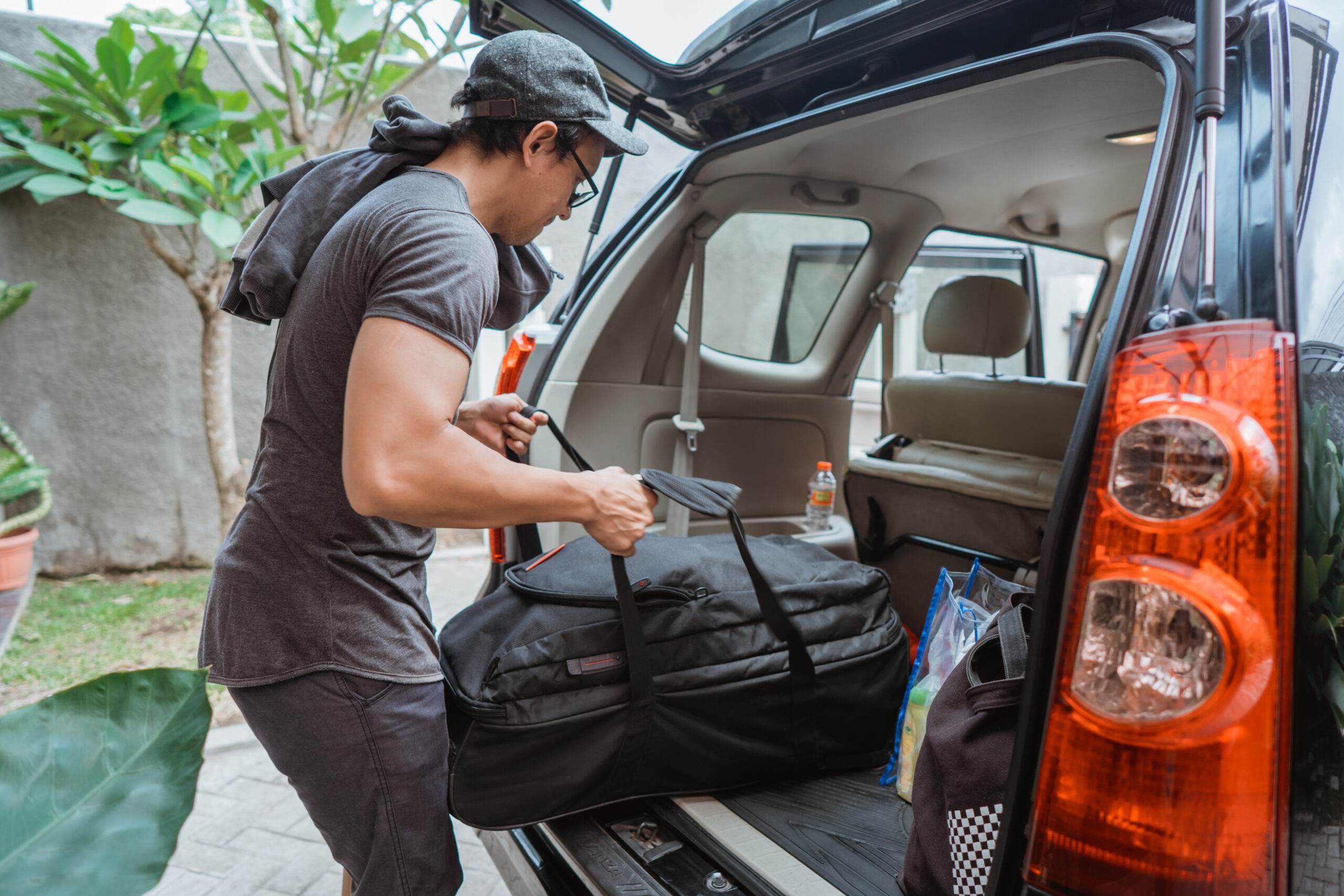
To assemble your kit store items in airtight plastic bags and put your entire disaster supplies kit in one or two easy-to-carry containers such as plastic bins or a duffel bag.
A basic emergency supply kit could include the following recommended items:
- Water (one gallon per person per day for several days, for drinking and sanitation)
- Food (at least a several-day supply of non-perishable food)
- Battery-powered or hand crank radio and a NOAA Weather Radio with tone alert
- Flashlight
- First aid kit
- Extra batteries
- Whistle (to signal for help)
- Dust mask (to help filter contaminated air)
- Plastic sheeting, scissors and duct tape (to shelter in place)
- Moist towelettes, garbage bags and plastic ties (for personal sanitation)
- Wrench or pliers (to turn off utilities)
- Manual can opener (for food)
- Local maps
- Cell phone with chargers and a backup battery
Consider adding the following items to your emergency supply kit based on your individual needs:
- Soap, hand sanitizer and disinfecting wipes to disinfect surfaces
- Prescription medications. About half of all Americans take a prescription medicine every day. An emergency can make it difficult for them to refill their prescription or to find an open pharmacy. Organize and protect your prescriptions, over-the-counter drugs, and vitamins to prepare for an emergency.
- Non-prescription medications such as pain relievers, anti-diarrhea medication, antacids or laxatives
- Prescription eyeglasses and contact lens solution
- Infant formula, bottles, diapers, wipes and diaper rash cream
- Pet food and extra water for your pet
- Cash or traveler’s checks
- Important family documents such as copies of insurance policies, identification and bank account records saved electronically or in a waterproof, portable container
- Sleeping bag or warm blanket for each person
- Complete change of clothing appropriate for your climate and sturdy shoes
- Fire extinguisher
- Matches in a waterproof container
- Feminine supplies and personal hygiene items
- Mess kits, paper cups, plates, paper towels and plastic utensils
- Paper and pencil
- Books, games, puzzles or other activities for children
Maintaining Your Kit
After assembling your kit remember to maintain it so it’s ready when needed:
- Keep canned food in a cool, dry place.
- Store boxed food in tightly closed plastic or metal containers.
- Replace expired items as needed.
- Re-think your needs every year and update your kit as your family’s needs change.
Kit Storage Locations
Since you do not know where you will be when an emergency occurs, prepare supplies for home, work and cars.
- Home: Keep this kit in a designated place and have it ready in case you have to leave your home quickly. Make sure all family members know where the kit is kept.
- Work: Be prepared to shelter at work for at least 24 hours. Your work kit should include food, water and other necessities like medicines, as well as comfortable walking shoes, stored in a “grab and go” case.
- Car: In case you are stranded, keep a kit of emergency supplies in your car
Plan long trips carefully and listen to the radio or television for up-to-date weather forecasts and road conditions. In bad weather drive only if absolutely necessary.
Emergency Kit for the Car
In case you are stranded, keep an emergency supply kit in your car with these automobile extras:
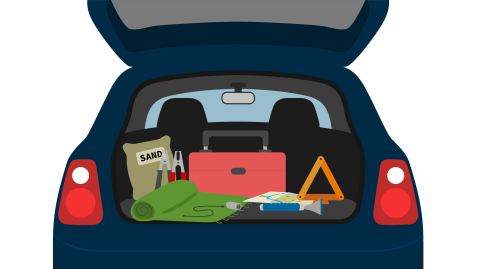
- Jumper cables
- Flares or reflective triangle
- Ice scraper
- Car cell phone charger
- Blanket
- Map
- Cat litter or sand (for better tire traction)
Prepare Your Car for Emergencies
Have a mechanic check the following on your car before an emergency:
- Antifreeze levels
- Battery and ignition system
- Brakes
- Exhaust system
- Fuel and air filters
- Heater and defroster
- Lights and flashing hazard lights
- Oil
- Thermostat
- Windshield wiper equipment and washer fluid level
Car Safety Tips
- Keep your gas tank full in case of evacuation or power outages. A full tank will also keep the fuel line from freezing.
- Install good winter tires and make sure they have enough tread, or any chains or studs required in your local area.
- Do not drive through flooded areas. Six inches of water can cause a vehicle to lose control or possibly stall. A foot of water will float many cars.
- Be aware of areas where floodwaters have receded. Roads may have weakened and could collapse under the weight of a car.
- Disable your vehicle’s cruise control when driving on slippery, icy or snowy roads. That’s because if you lose traction or start to skid, the cruise control will accelerate to maintain your vehicle’s speed, causing your wheels to spin even faster. On wet roads, if your cruise control is set at too high a speed, it could cause your car to hydroplane when it goes over standing water.
- If a power line falls on your car you are at risk of electrical shock. Stay inside until a trained person removes the wire.
- If it becomes hard to control the car, pull over, stop the car and set the parking brake.
- If the emergency could affect the stability of the roadway avoid overpasses, bridges, power lines, signs and other hazards.

Following a disaster there may be power outages that could last for several days. Stock canned foods, dry mixes and other staples that do not require refrigeration, cooking, water or special preparation. Be sure to include a manual can opener and eating utensils.
Suggested Emergency Food Supplies
Consider the following things when putting together your emergency food supplies:
- Store at least a several-day supply of non-perishable food.
- Choose foods your family will eat.
- Remember any special dietary needs.
We suggest the following items when selecting emergency food supplies. You may already have many of these on hand. Download the Recommended Supplies List
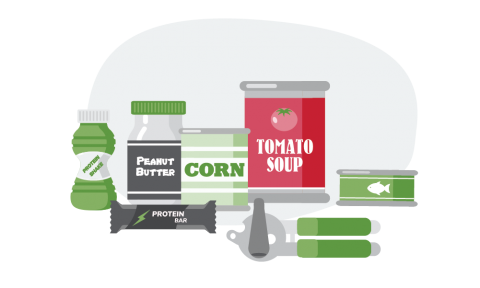
- Ready-to-eat canned meats, fruits, vegetables and a can opener
- Protein or fruit bars
- Dry cereal or granola
- Peanut butter
- Dried fruit
- Canned juices
- Non-perishable pasteurized milk
- High-energy foods
- Food for infants
- Comfort/stress foods
Food Safety and Sanitation
Without electricity or a cold source food stored in refrigerators and freezers can become unsafe. Bacteria in food grow rapidly at temperatures between 40 and 140 degrees Fahrenheit and if these foods are consumed you can become very sick. Thawed food usually can be eaten if it is still “refrigerator cold.” It can be re-frozen if it still contains ice crystals. Remember “When in doubt, throw it out.”
Do:
- Keep food in covered containers.
- Keep cooking and eating utensils clean.
- Throw away any food that has come into contact with contaminated flood water.
- Throw away any food that has been at room temperature for two hours or more.
- Throw away any food that has an unusual odor, color or texture.
- Use ready-to-feed formula. If you must mix infant formula use bottled water or boiled water as a last resort.
Don’t:
- Eat foods from cans that are swollen, dented or corroded, even though the product may look safe to eat.
- Eat any food that looks or smells abnormal, even if the can looks normal.
- Let garbage accumulate inside, both for fire and sanitation reasons.
Cooking
Alternative cooking sources can be used in times of emergency including candle warmers, chafing dishes, fondue pots or a fireplace. Charcoal grills and camp stoves are for outdoor use only. Commercially canned food may be eaten out of the can without warming.
To heat food in a can:
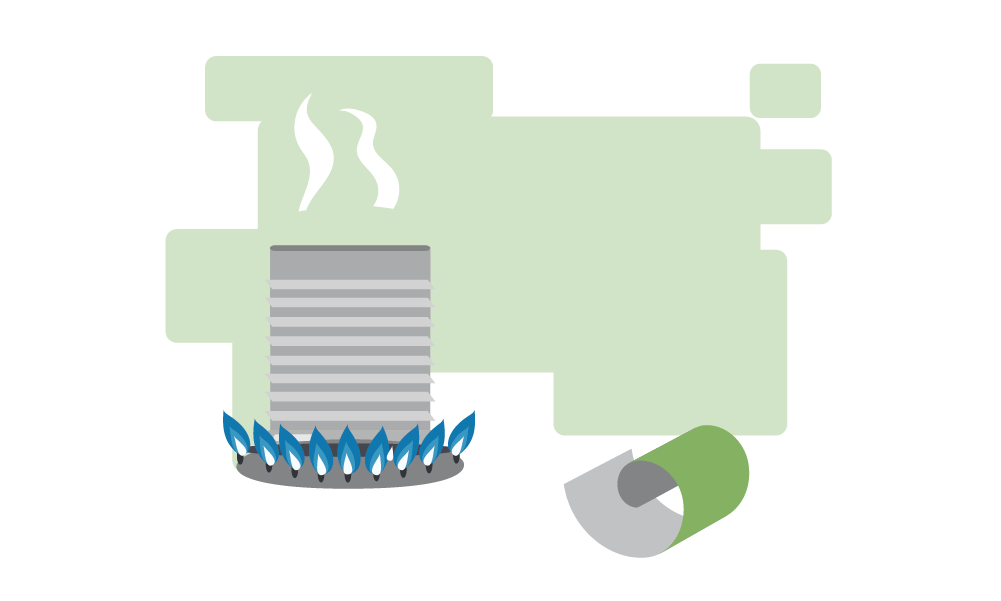
- Remove the label.
- Thoroughly wash and disinfect the can. (Use a diluted solution of one part bleach to 10 parts water.)
- Open the can before heating.
Managing Food without Power
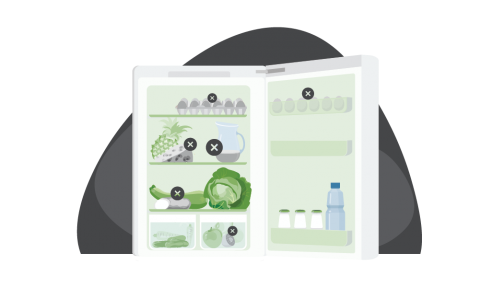
- Keep the refrigerator and freezer doors closed as much as possible.
- The refrigerator will keep food cold for about four hours if it is unopened.
- Refrigerated or frozen foods should be kept at 40 degrees Fahrenheit or below for proper food storage.
- Use a refrigerator thermometer to check temperature.
- Refrigerated food should be safe as long as the power was out for no more than four hours.
- Discard any perishable food such as meat, poultry, fish, eggs or leftovers that have been above 40 degrees Fahrenheit for two hours or more.
Using Dry Ice:
- Know where you can get dry ice prior to a power outage.
- Twenty-five pounds of dry ice will keep a 10 cubic foot freezer below freezing for three to four days.
- If you use dry ice to keep your food cold, make sure it does not come in direct contact with the food.
- Use care when handling dry ice. Wear dry, heavy gloves to avoid injury.
For more information about food safety during an emergency visit FoodSafety.gov.
Following a disaster clean drinking water may not be available. Your regular water source could be cut-off or compromised through contamination. Prepare yourself by building a supply of water that will meet your family’s needs during an emergency. View the recommended emergency supplies list (PDF).
Determining Water Needs
Store at least one gallon of water per person per day for several days, for drinking and sanitation. A normally active person needs about three quarters of a gallon of fluid daily, from water and other beverages. However, individual needs vary depending on age, health, physical condition, activity, diet and climate.
Take the following into account:
- Children, nursing mothers and sick people may need more water.
- A medical emergency might require additional water.
- If you live in a warm weather climate more water may be necessary. In very hot temperatures, water needs can double.
Water Tips
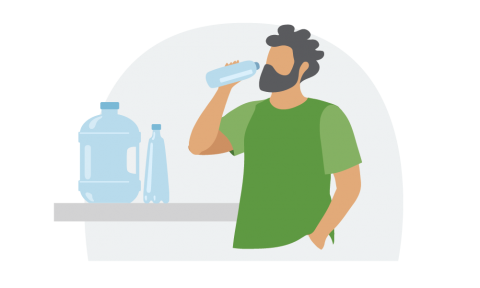
- Never ration drinking water unless ordered to do so by authorities. Drink the amount you need today and try to find more for tomorrow. Minimize the amount of water your body needs by reducing activity and staying cool.
- Drink water that you know is not contaminated first. If necessary, suspicious water, such as cloudy water from regular faucets or water from streams or ponds, can be used after it has been treated. If water treatment is not possible put off drinking suspicious water as long as possible but do not become dehydrated.
- Do not drink carbonated or caffeinated beverages instead of drinking water. Caffeinated drinks and alcohol dehydrate the body which increases the need for drinking water.
Water Storage
Buy commercially bottled water and store it in the sealed original container in cool, dark place.
If you must prepare your own containers of water, purchase food-grade water storage containers. Before filling with chlorinated water, thoroughly clean the containers with dishwashing soap and sanitize the bottles by cleaning with a solution of one teaspoon of non-scented liquid household chlorine bleach to a quart of water. Water that has not been commercially bottled should be replaced every six months.
Water Treatment
If you have used all of your stored water and there are no other reliable clean water sources, it may become necessary to treat suspicious water. Treat all water of uncertain quality before using it for drinking, food washing or preparation, washing dishes, brushing teeth or making ice. In addition to having a bad odor and taste, contaminated water can contain microorganisms (germs) that cause diseases such as dysentery, cholera, typhoid and hepatitis.
There are many ways to treat water. Often the best solution is a combination of methods. Before treating, let any suspended particles settle to the bottom or strain them through coffee filters or layers of clean cloth.
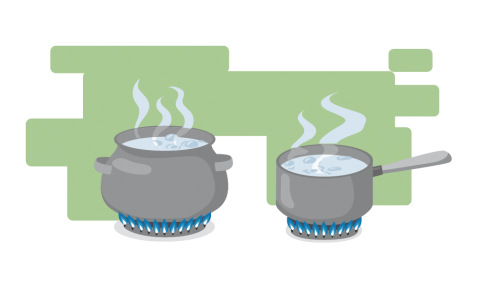
Boiling
Boiling is the safest method of treating water. In a large pot or kettle, bring water to a rolling boil for one full minute, keeping in mind that some water will evaporate. Let the water cool before drinking.
Boiled water will taste better if you put oxygen back into it by pouring the water back and forth between two clean containers. This also will improve the taste of stored water.
Chlorination
You can use household liquid bleach to kill microorganisms. Use only regular household liquid bleach that contains 5.25 to 6.0 percent sodium hypochlorite. Do not use scented bleaches, color safe bleaches or bleaches with added cleaners.
Add 1/8 teaspoon of bleach per gallon of water, stir and let stand for 30 minutes. The water should have a slight bleach odor. If it doesn’t, then repeat the dosage and let stand another 15 minutes. If it still does not smell of chlorine, discard it and find another source of water.
Other chemicals, such as iodine or water treatment products sold in camping or surplus stores that do not contain 5.25 or 6.0 percent sodium hypochlorite as the only active ingredient are not recommended and should not be used.
Distillation
While boiling and chlorination will kill most microbes in water, distillation will remove microbes (germs) that resist these methods, as well as heavy metals, salts and most other chemicals. Distillation involves boiling water and then collection of only the vapor that condenses. The condensed vapor will not include salt or most other impurities.
To distill, fill a pot halfway with water. Tie a cup to the handle on the pot’s lid so that the cup will hang right-side-up when the lid is upside-down (make sure the cup is not dangling into the water) and boil the water for 20 minutes. The water that drips from the lid into the cup is distilled.
|
Methods |
Kills Microbes |
Removes other contaminants (heavy metals, salts, and most other chemicals) |
| Boiling | Yes | No |
| Chlorination | Yes | No |
| Distillation | Yes | Yes |